
Better sleep, better health:
The research making a difference

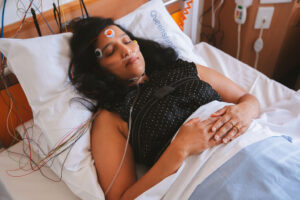 It is well understood that sleep is a crucial component of cognitive, emotional and physical health. And most people who have had a poor night’s sleep would understand just how much it can affect their physical and mental functioning and mood the following day.
While there are many short-term or immediate consequences of restless nights, how much of an impact can inadequate sleep have if it is a prolonged or chronic condition?
“We spend around one-third of our lives asleep, making sleep, along with nutrition and exercise, one of the three pillars of health. Poor sleep doesn’t just leave us feeling tired. It can affect cardiovascular health, immune function, metabolism, mood, cognitive performance and even the complex relationship between the gut and the brain. Because sleep supports so many essential biological processes, disturbances in sleep can have widespread effects across multiple body systems and significantly impact health, wellbeing and quality of life,” Dr Irene Szollosi, Director Sleep Sciences, The Prince Charles Hospital.
Sleep scientists around the world have been investigating the links between disordered and fragmented sleep and its long-term effects for decades. And with more than 80 recognised sleep disorders, including insomnia, sleep apnoea, narcolepsy and restless legs syndrome among some of the most well-known, there are a great deal of unanswered questions.
At The Prince Charles Hospital’s Sleep Disorder Centre, several studies have received funding support from The Prince Charles Hospital Foundation, including investigating key indicators of cognitive impairments in patients with obstructive sleep apnoea, developing and evaluating co-designed written educational materials about Continuous Positive Airway Pressure (CPAP) for people with sleep apnoea to determine if it helps improve compliance, and the effectiveness of non-invasive ventilation for chronic hypoventilation in Myotonic Dystrophy.
The researchers involved in this work are striving to improve quality of life and make sleep health care more accessible.
 Dr Irene Szollosi, the Director of the Sleep Disorder Centre, says she actually “got into research by accident.”
“I finished my Science degree, and I was invited to do Honours, but then I landed my first job as research assistant in the Department of Pulmonary Physiology at Sir Charles Gairdner Hospital in Perth. I was fortunate to work with David Hillman and Peter Eastwood who are now considered pioneers in sleep research, who had an interest in upper-airway mechanics, specifically in relation to obstructive sleep apnoea,”Irene explained.
“So, we collected really rich physiological data in participants to understand the collapsibility of the upper airway during anaesthesia as a model for sleep. And that’s what really sparked my interest in research. I had this amazing opportunity to work with incredibly innovative, clever people in an extremely collegiate environment, and it just gave me the bug.”
Now she is in a position where she can make an impact not just by trying to answer questions, but by using what research uncovers to influence changes to clinical models of care, and by guiding and supervising sleep scientists to investigate their own areas of interest.
“I was really curious about the links between sleep-disordered breathing and dementia, so I applied for an Innovation Grant through the Foundation,” she said.
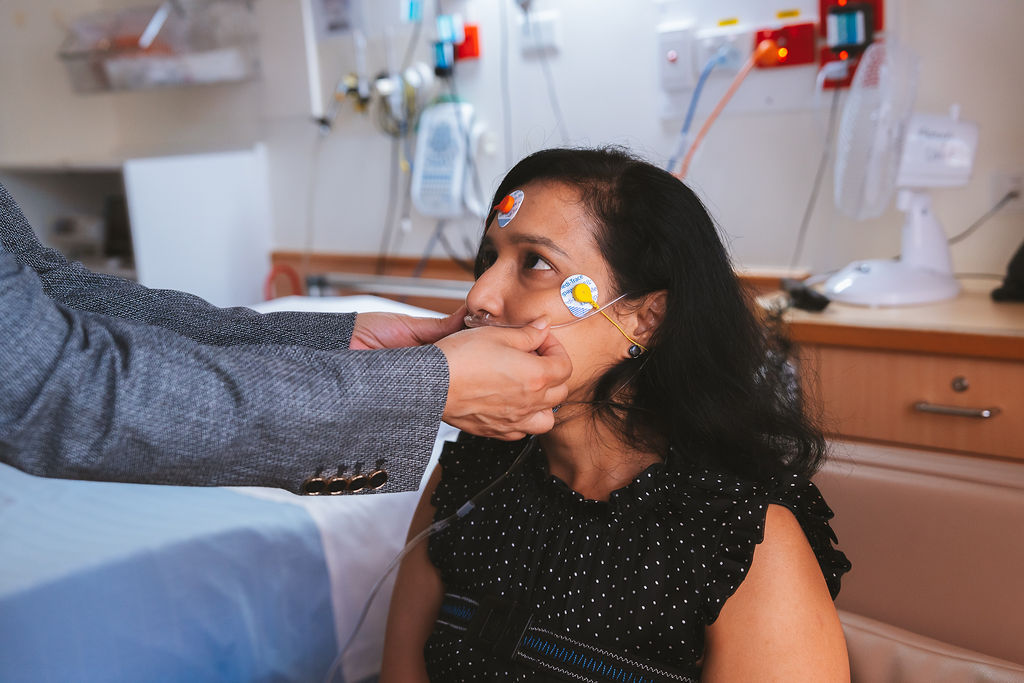
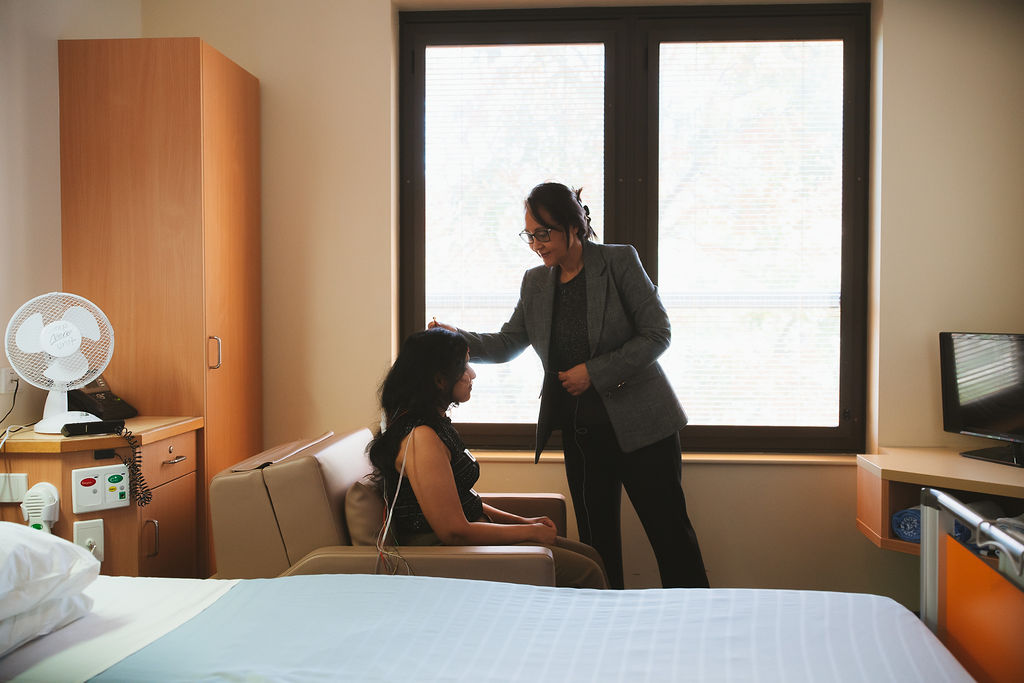
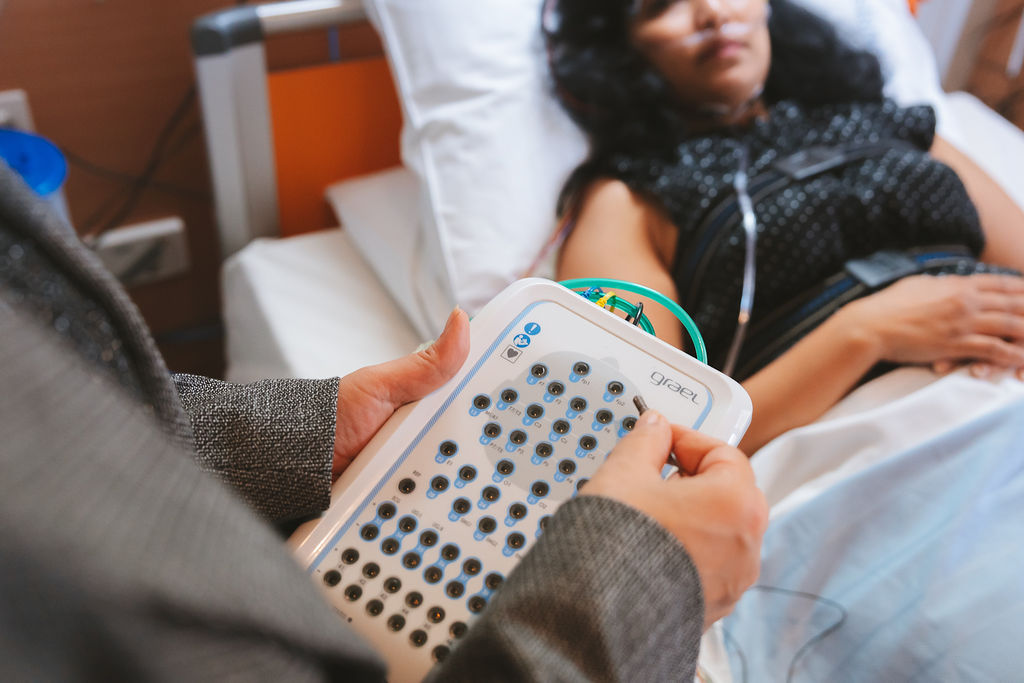
Could treating sleep apnoea help slow cognitive decline and dementia?
In 2018, Irene secured the Innovation Grant for the project titled Obstructive Sleep Apnoea (OSA) in Mild Cognitive Impairment: an opportunity to preserve brain health.
“Without a cure, the burden of dementia can only be reduced by delaying either the onset or progression of the disease. OSA is a common, treatable condition that interrupts breathing during sleep and yet may be an under-diagnosed risk factor in the development and progression of dementia,” she said.
 The research set out to evaluate the prevalence of undiagnosed and untreated OSA in patients with mild cognitive impairment (MCI) and validate home screening against the gold-standard in-laboratory polysomnography (sleep study).
The findings will inform the development of rapid and cost-effective pathways for diagnosis of OSA in patients with MCI and inform decisions around planning for health services in this cohort.
“Our preliminary analysis shows that untreated OSA is very common in MCI and therefore a potential treatment target to preserve brain health”
They were also interested in investigating whether CPAP treatment in patients with OSA and MCI can slow down the progression of cognitive deterioration or improve outcomes.
Could CPAP treatment help improve memory and cognitive function?
 In 2023, Thomas Georgeson received a New Investigator Grant to answer that question in his project titled Cognitive impairment and residual risk in patients with OSA before and after 2 months of CPAP intervention. His study was to delve deeper into determining the cognitive impacts caused by sleepiness and those caused by neurological damage from hypoxaemia (when oxygen levels in the blood are lower than normal) and frequent sleep disruptions.
“We know that not everyone with OSA feels sleepy or notices cognitive issues, but a recent data analysis revealed a significant portion of these patients do show signs of cognitive impairment,” said PhD candidate Thomas Georgeson.
Thomas and his colleagues published their findings in an article titled Sleep Fragmentation and Hypoxaemia as Key Indicators of Cognitive Impairment in Patients with Obstructive Sleep Apnoea. This study describes the use of a cognitive screening tool called the Addenbrooke’s Cognitive Examination – Revised (ACE-R) to assess cognitive impairment in older adults with OSA. A subsequent follow-up study examined how long-term CPAP compliance influenced ACE-R cognitive outcomes several years after the initial assessment.
“Our findings show that regular use of CPAP therapy results in a small but meaningful improvement in ACE-R scores, especially in memory-related tasks,” Mr Georgeson explained.
Why do so many people with sleep apnoea struggle to use CPAP?
 Despite the extensively researched impacts of poor sleep, the compliance of CPAP therapy in patients with Obstructive Sleep Apnoea has proved to be persistently low over the past couple of decades. According to a systematic literature review, the non-adherence rate was 34 per cent.
Those needing the treatment cite a range of common issues (or side effects) that lead to non-adherence, including mask discomfort, pressure intolerance, leaks and nasal congestion. Yet, patient education and coaching to improve health literacy and influence patient beliefs, had been identified as contributors to increase CPAP adherence.
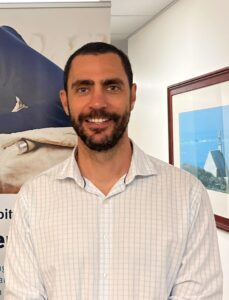
In 2023, Trent Segal received a New Investigator grant from the Foundation for his project, titled: A pre-post trial to evaluate the impact of co-designed educational materials on health literacy and Continuous Positive Airway Pressure (CPAP) compliance in patients with Obstructive Sleep Apnoea (OSA).
Consumer surveys by the Sleep Disorders Centre had highlighted opportunities to improve the written patient information given to those beginning CPAP treatment, so the group developed new educational materials in collaboration with Sleep Psychologists to incorporate motivational language. The materials were then evaluated as part of the research project to determine their effectiveness and whether usability had changed compared with previous materials.
“There was definitely improved usability and readability with the new materials, but what Trent’s work has shown is that it’s actually a person’s beliefs that are a stronger predictor of whether someone is compliant with therapy than anything else,” Irene said.
“These could include their beliefs about their ability to use CPAP, whether treatment will be beneficial for them, what using a medical appliance means for their personal relationships… our beliefs can limit or enable treatment adherence.”
How does treatment compare? Understanding differences to improve breathing in Myotonic Dystrophy
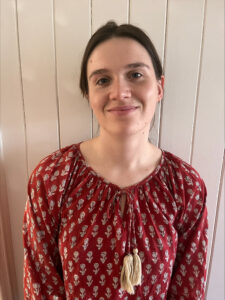 In 2026, Alexandra Childs, another PhD candidate in the team, was successful in obtaining a New Investigator Grant for her project titled: The effectiveness of Non-invasive Ventilation for chronic hypoventilation in Myotonic Dystrophy.
Myotonic Dystrophy is the most common type of Muscular Dystrophy that presents in adults. This disease affects multiple body systems and is highly individualised, but progressive muscle wasting, including of the breathing muscles, is common in most affected.
“Hypoventilation (breathing too slow or shallow) is a consequence of neuromuscular weakness that contributes to poorer quality of life, frequent hospitalisation and early mortality. Non-Invasive Ventilation is the gold-standard treatment for hypoventilation but compliance and evidence for effectiveness in people with Myotonic Dystrophy is low,” Alexandra explains.
This project will evaluate Non-Invasive Ventilation treatment response in people with Myotonic Dystrophy and compare it to the response in patients with other Muscular Dystrophies. The researchers hypothesise that Myotonic patients respond differently to therapy and that this may lead to poorer compliance and treatment outcomes.
Alexandra believes, “This research is essential to understand disease-specific differential treatment response in Myotonic Dystrophy, and to the development of evidence-based disease-specific guidelines. This will enable clinicians to deliver person-centred care and tailored treatment strategies, which will enable patients with Myotonic Dystrophy to live healthier for longer.”
Because sleep supports so many essential biological processes, disturbances in sleep can have widespread effects across multiple body systems and significantly impact health, wellbeing and quality of life.
– Dr Irene Szollosi, Director Sleep Sciences, The Prince Charles Hospital
Sleep health is a collaborative area for research
 Irene says sleep research is diverse and such a rich area for collaboration.
One of the collaborative projects Irene is involved in is evaluating the impact of the environment on sleep within the ICU of The Future redesigned bedspaces, which were reimagined to address challenges faced by ICU patients, such as excessive noise and poor lighting contributing to sleep deprivation during their stay.
The Innovation Grant titled, Can sleep and circadian physiological disruptions caused by the intensive care unit environment be prevented by environmental and lighting modifications? was secured by Dr Oystein Tronstad, ICU of The Future Project Manager and Clinical Research Lead for CCRG.
“The information obtained will initially be used to support the evaluation and refining of the two upgraded ICU bedspaces, allowing us to assess whether the prototype ICU bedspace improves or alters the quality and quantity of sleep, maintenance of circadian rhythms and reduces delirium and common long-term problems associated with critical illness and ICU admission,” said Dr Tronstad.
Whilst sleep data are yet to be analysed, environmental measurements, patient feedback, and an 80 per cent reduction in monitor alarms suggest the bedspace redesign have created a quieter, calmer space.
Supporting sleep research, one question at a time
“There are so many different health conditions where there is an association with poor sleep… So, the impact of the foundation is enormous by supporting multidisciplinary and transdisciplinary collaborations,” Irene said.
And that is exactly what this body of research demonstrates.
From investigating the possible links between sleep apnoea and cognitive decline, to understanding whether CPAP can improve cognitive function and how more patients can be supported to use it effectively, each project has helped build on the knowledge that came before it.
Along the way, Foundation funding has also given emerging researchers the opportunity to pursue new ideas, build evidence and ask the next important question.
At The Foundation, we are proud to support collaborative research, which brings together different expertise and perspectives to accelerate progress and ultimately deliver greater impact for patients.
There are so many different health conditions where there is an association with poor sleep… So, the impact of the foundation is enormous by supporting multidisciplinary and transdisciplinary collaborations.
– Dr Irene Szollosi, Director Sleep Sciences, The Prince Charles Hospital
Powering today, reinventing tomorrow – your support contributes to life-changing research and patient care initiatives. Donate today and help people live healthier for longer for the next 40 years and beyond.