
Sterling’s Dream:
A young boy’s hope to
help find a cure for dementia

 You may have heard the name Sterling Nasa recently. He’s a 21-year-old aspiring musician who recently answered a call from Oscar-winning composer Justin Hurwitz when the “La La Land in Concert” keyboard player was too sick to finish the show. Sterling bravely put his hand up and amazed the audience at the ICC Sydney’s Darling Harbour Theatre.
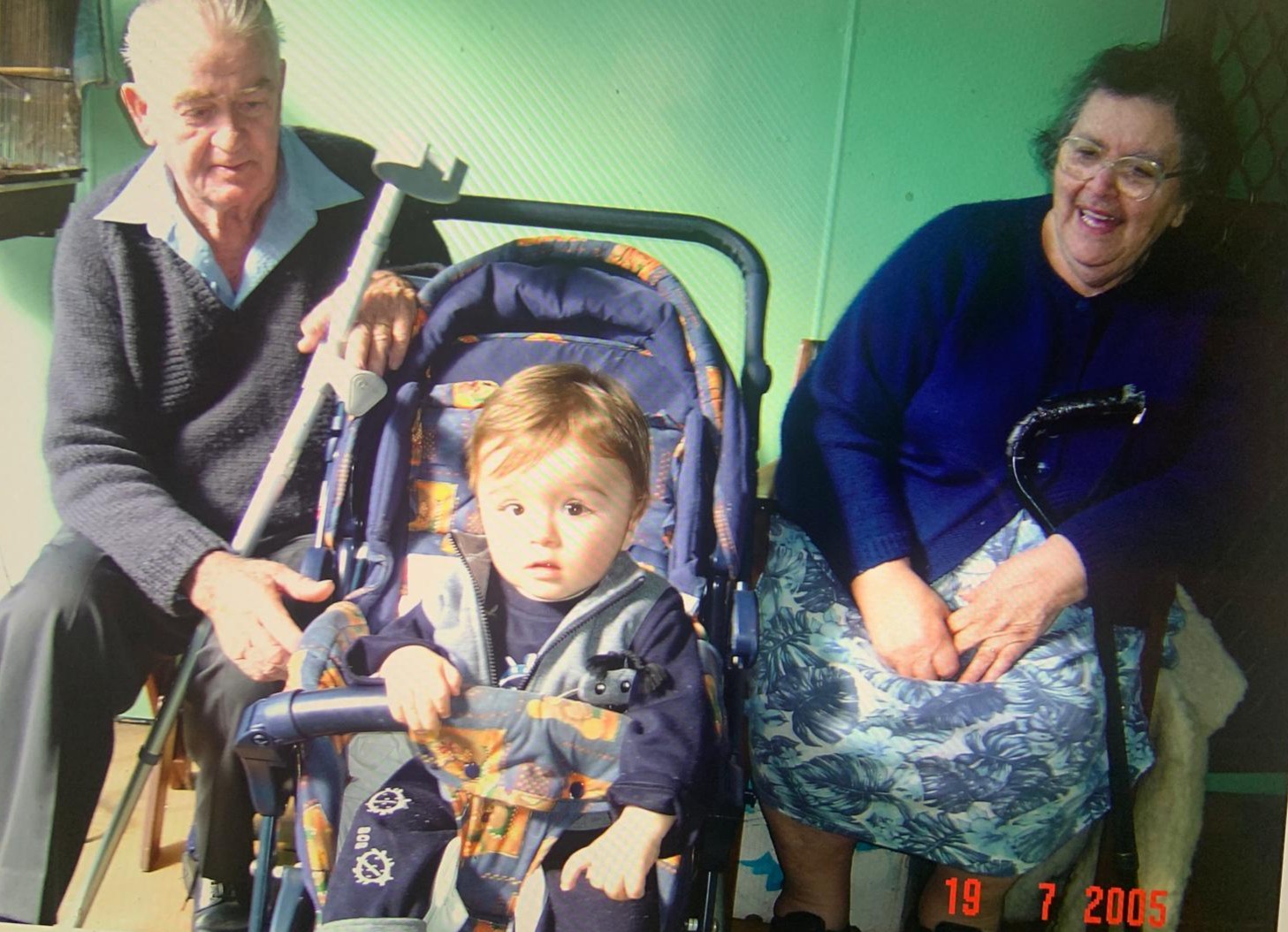
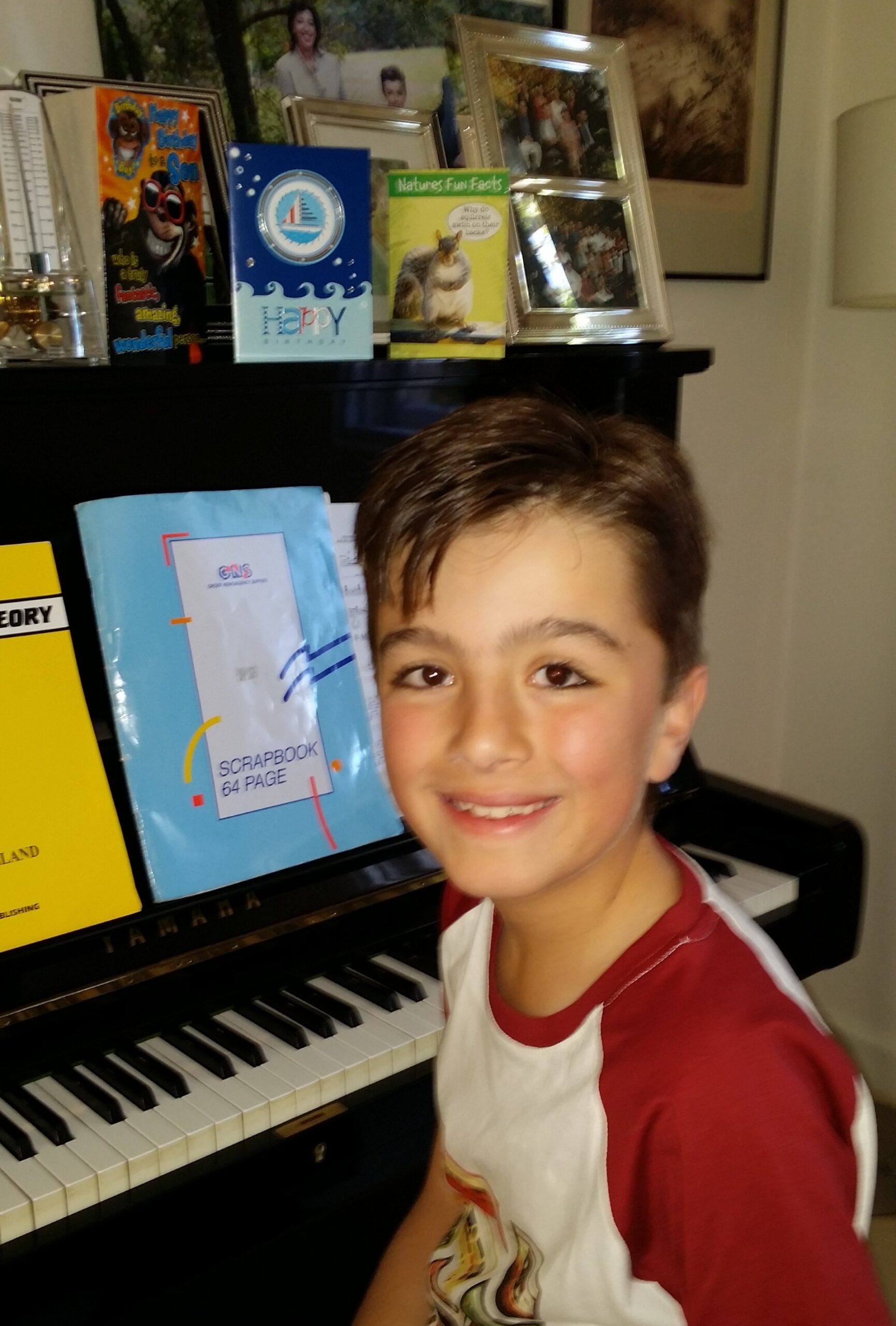
While this live performance reflects one of Sterling’s dreams, his name is known at a hospital in Brisbane for a dream he had when he was much younger. When Sterling was a baby, his grandmother was diagnosed with dementia. Growing up, he watched her health decline and witnessed the impact that had on his family. This experience meant he had a dream as a young boy to help find a cure for dementia. It was at this time that he was connected to The Prince Charles Hospital Foundation and became an ambassador for a research project aimed at improving diagnoses and, consequently, the prognosis of people with the insidious condition. His advocacy helped raise funds for this research, which has shown promising results and has recently received a prestigious national grant for an expanded trial.
While other children may have dreamed of flying like superheroes, their favourite cartoons being real, or staying up all night, Sterling Nasa dreamed of helping to find a cure for dementia.
“I was in year four at school, and as part of an English project, an external company came into our school and asked students on video, ‘If you could make one big change in the world, what would it be?’ And my answer at the time was to cure dementia, to cure Alzheimer’s,” he recalled.
Sterling was just a baby when his grandmother was diagnosed with Alzheimer’s – the most common type of dementia, accounting for more than 60 per cent of cases. By the time he was three, she was being cared for in a nursing home full-time.
“I wasn’t really trying to be profound in the video, because that was just a very normal part of life for me. You know, two or three times a week, we were going to the nursing home and spending hours sitting there.”

It was around this time that Sterling began learning the piano, and his visits to his grandmother often meant practising and spreading joy among the home’s residents by playing music.
“When I was about three, it would be some little tunes like Waltzing Matilda or something … whatever I could play or was learning. I think it was just a bit of noise and a bit of colour and movement in what is for many people quite an upsetting place to be,” he said.
“We’d always arrive around lunchtime and, you know, everyone’s beds would be in the same place, and hers was always in the corner next to the piano.”
While Sterling’s grandmother was in the nursing home for around seven years, it was the final few that Sterling recalls more vividly, and he was deeply affected by her deteriorating condition.
“I remember there came a point where, when I would play, she would stop, sort of sitting up in her chair…you could kind of tell she would respond to it to some degree. And then, there came a point where that stopped because she had the most aggressive variation of Alzheimer’s. For the last couple of years, she couldn’t speak, couldn’t move at all. She was completely bedridden, which was very sad.”
She passed away in 2015, when Sterling was 10 years old.
That same year, a campaign was launched through the Foundation’s initiative of The Common Good to raise funds for research into dementia. Sterling was the ambassador – thanks to his video, which had been shared with the Foundation’s then CEO, Michael Hornby OAM.
Sterling’s dream to help find a cure for dementia
The research project, named Sterling’s Dream, involved researchers seeking to detect the disease before it takes hold.
In people with Alzheimer’s, proteins called amyloid plaques and neurofibrillary tangles are thought to prevent the brain cells from transferring signals. They disrupt the vital chemical messengers the brain relies on to form memories and learn. Eventually, the neurons (nerve cells) die, and the cortex, the outer layer of the brain, which is imperative for language and memory, shrinks.
There are a lot of unanswered questions when it comes to Alzheimer’s.
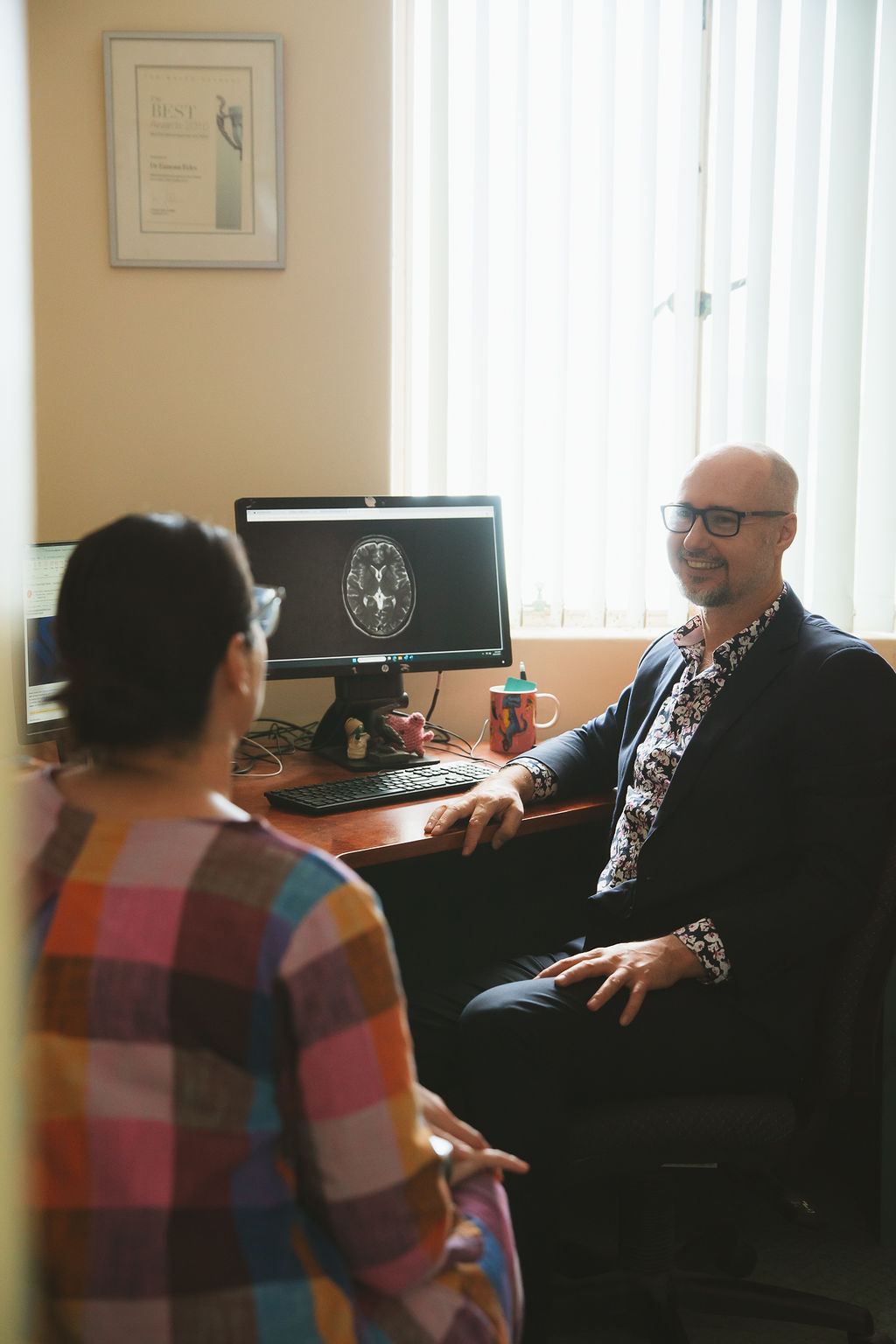
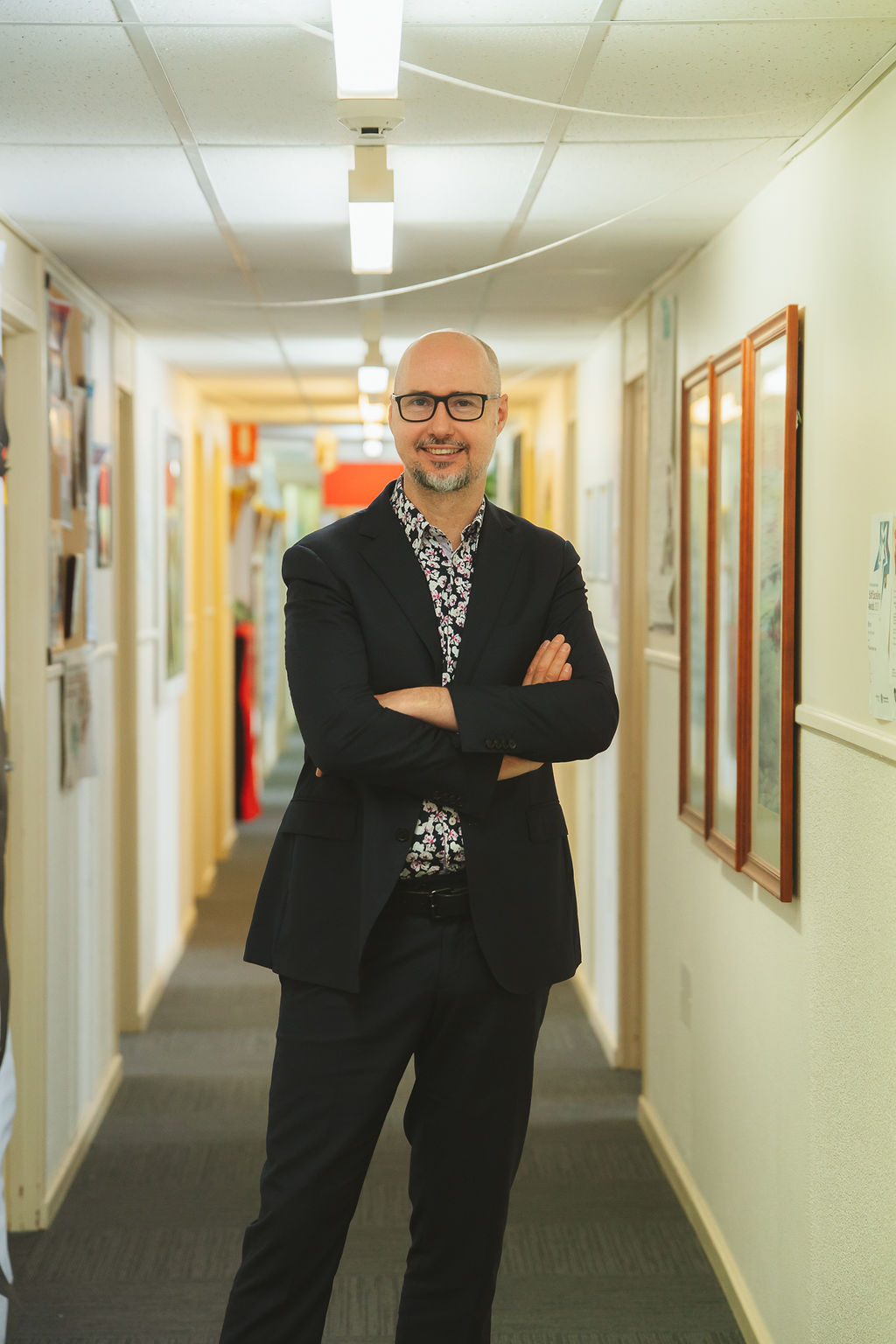
Currently, there is no single diagnostic test that measures the live, chemical communication between brain cells. A group of health professionals in Brisbane – including Dr Eamonn Eeles, a geriatrician at The Prince Charles Hospital- started the Sterling’s Dream project, also known as the Dementia Tracer Program, to change that.
Their hope is to develop a tool that accurately detects these chemical changes at the disease’s earliest stages.
“It’s quite hard to know what’s going on with the biology of Alzheimer’s disease because while we can identify the abnormalities in the brain, the actual function of the nerve cells and their connections is more of a mystery. And so, with our colleagues at the CSIRO and the Queensland Brain Institute, we wanted to try and look at the actual signalling that was going on in the brain in the synapses – the little connections between the nerves,” explained Dr Eeles.
“It was really with a view to then getting a much better personalised and more accurate diagnosis of dementia, which we felt was very important because we can do scans that will tell us, yeah, there’s abnormalities here and there, but we can’t say exactly what’s going on with the biology of the nerves and their synapses.”
I wasn’t really trying to be profound in the video, because that was just a very normal part of life for me. You know, two or three times a week, we were going to the nursing home and spending hours sitting there.
– Sterling Nasa
Comparing healthy brains to those with early stages of Alzheimer’s
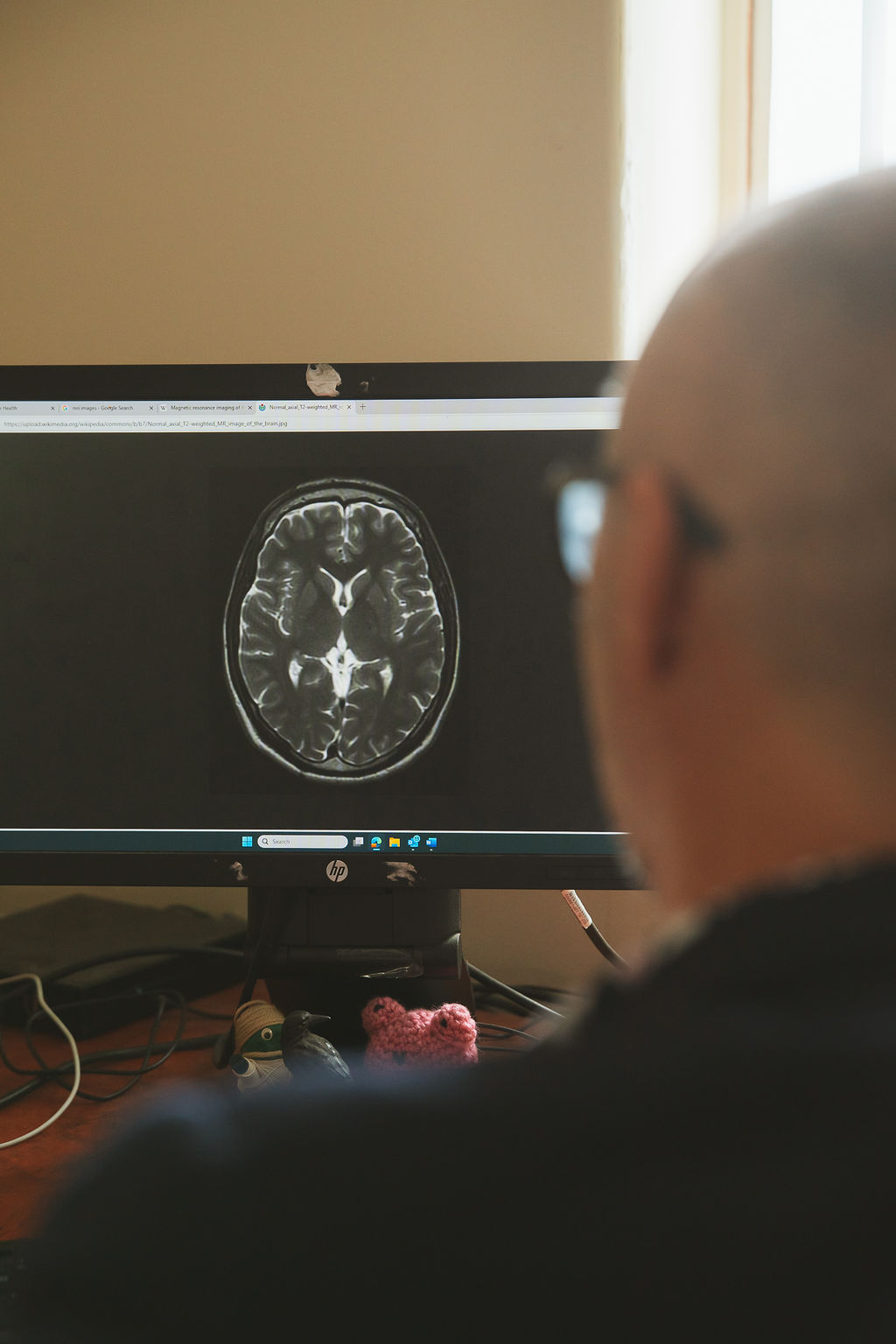
Close to 20 individuals have participated in the study as part of the Sterling’s Dream project, which involves brain function testing, specifically advanced Positron Emission Tomography (PET) and Magnetic Resonance Imaging (MRI) brain scans, to better understand if there are differences in the characteristics of healthy brains, compared to those experiencing the early stages of Alzheimer’s disease.
During this testing, two tracers – substances injected into the bloodstream to map the brain activity – are used. The first tracer is a standard research tracer that picks up amyloid in the brain. The second tracer, specifically developed by talented radiochemists at the Royal Brisbane Women’s Hospital, is designed to bind to the memory-forming part of the brain’s nerves.
“By using more of an innovative application of this tracer and state of the art imaging, we can measure chemical signals in the memory-forming part of the brain. This imaging, together with the scans, will give us the best look yet into the workings of the brain, and will enable us to better evaluate changes that happen with early onset of Alzheimer’s disease,” said Dr Eeles.
“For patients who are thinking well and clearly, the scans light up as there’s more activity when cognitive performance is good, so more tracer is laid down in the brain. Yet, the tracer seems to be depleted where patients are starting to show memory problems, so for those people, it has nowhere to go. Those nerves are knocked out and not working in the memory-forming parts of the brain. So, the testing has shown a clear relationship.”
“This is crucial in enabling us to identify which patients may respond better to treatments, and therefore help to target management of Alzheimer’s disease more effectively.”
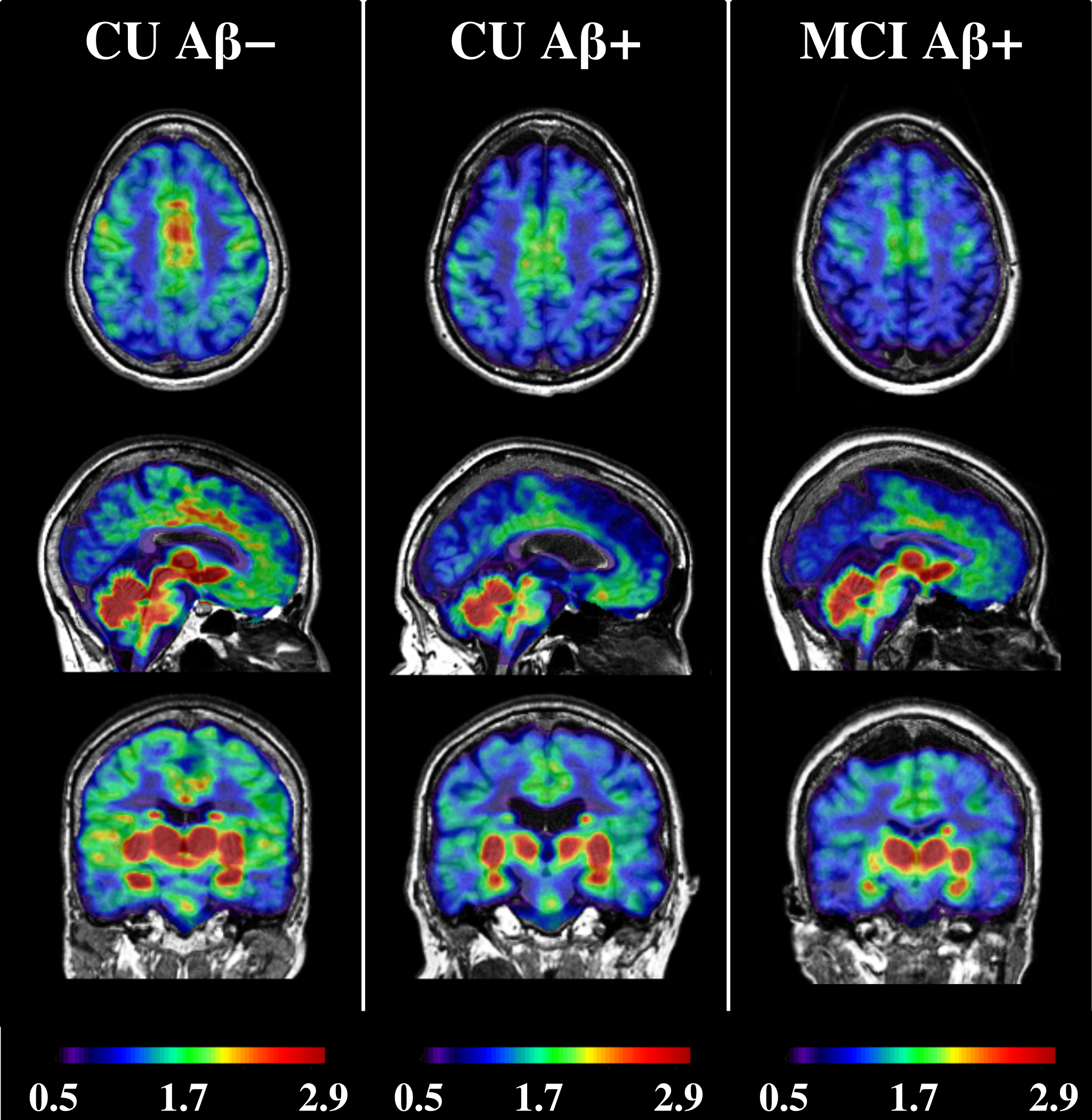
Reduced cholinergic innervation in the brain measured using FEOBV PET imaging across different stages of Alzheimer's disease.
Proof of principle leads to study expansion
Due to the results from this preliminary study, the group of researchers has secured a prestigious national grant worth $820,000 to support an expanded trial.
The next phase of the study will include a larger sample size of 140 participants, including 40 clinical patients with mild cognitive impairment or mild Alzheimer’s.
“The next stage is to do it in a larger sample to investigate if this is reproducible and generalisable, to zone in on the early stage as well to see whether it’s an early marker and to investigate whether it tells us anything about how patients will respond to treatments. So, it might be a prognostic marker either for disease progression or for response to treatments,” explained Dr Eeles.
Dr Eeles says advancements relating to dementia have led to a wave of disease-modifying treatments that work to clear the abnormal proteins in the brain.
“We see our research as a very powerful adjunct to getting diagnosis right to get those treatments right, and then potentially earlier in the condition. That’s maybe a kind of a longer-term goal of this.”
Sterling still dreams of helping others affected by dementia
The impact of dementia has shaped Sterling as he has grown up, as it moulds so many who are touched by the insidious disease. He wants to continue helping as time goes by.
“It’s a cause that’s obviously very close to my family and me. So, whatever I can do, I’m always here for it,” said Sterling.
While the researchers continue working hard to make advancements to improve the detection and prognosis for people with dementia and their families, Sterling will continue to bring joy through music.
Just like his impressive performance did in May.
“It was very quick… within the span of about two minutes, I chatted to Justin Hurwitz, and he pointed me in the direction of a keyboard technician who put a monitor in my ear. ‘Here’s your patches, here’s your book. We’re on in 30 seconds. Good luck,’” Sterling recalled.
Like any incredible sight reader, there were years of practice that led to that moment, but for Sterling, his audience during those early years probably meant more to him than most people realise.
“You know, the reason I’ve been able to do that is I’ve always been put up to just get in front of an audience and do it, and playing for my grandmother and the residents with dementia was one of the first audiences I played to,” Sterling said.
We see our research as a very powerful adjunct to getting diagnosis right to get those treatments right, and then potentially earlier in the condition. That’s maybe a kind of a longer-term goal of this.
– Dr Eamonn Eeles, geriatrician at The Prince Charles Hospital
Powering today, reinventing tomorrow – your support contributes to life-changing research and patient care initiatives. Donate today and help people live healthier for longer for the next 40 years and beyond.