
Charlie’s Village:
Transforming care for patients with
dementia at The Prince Charles Hospital

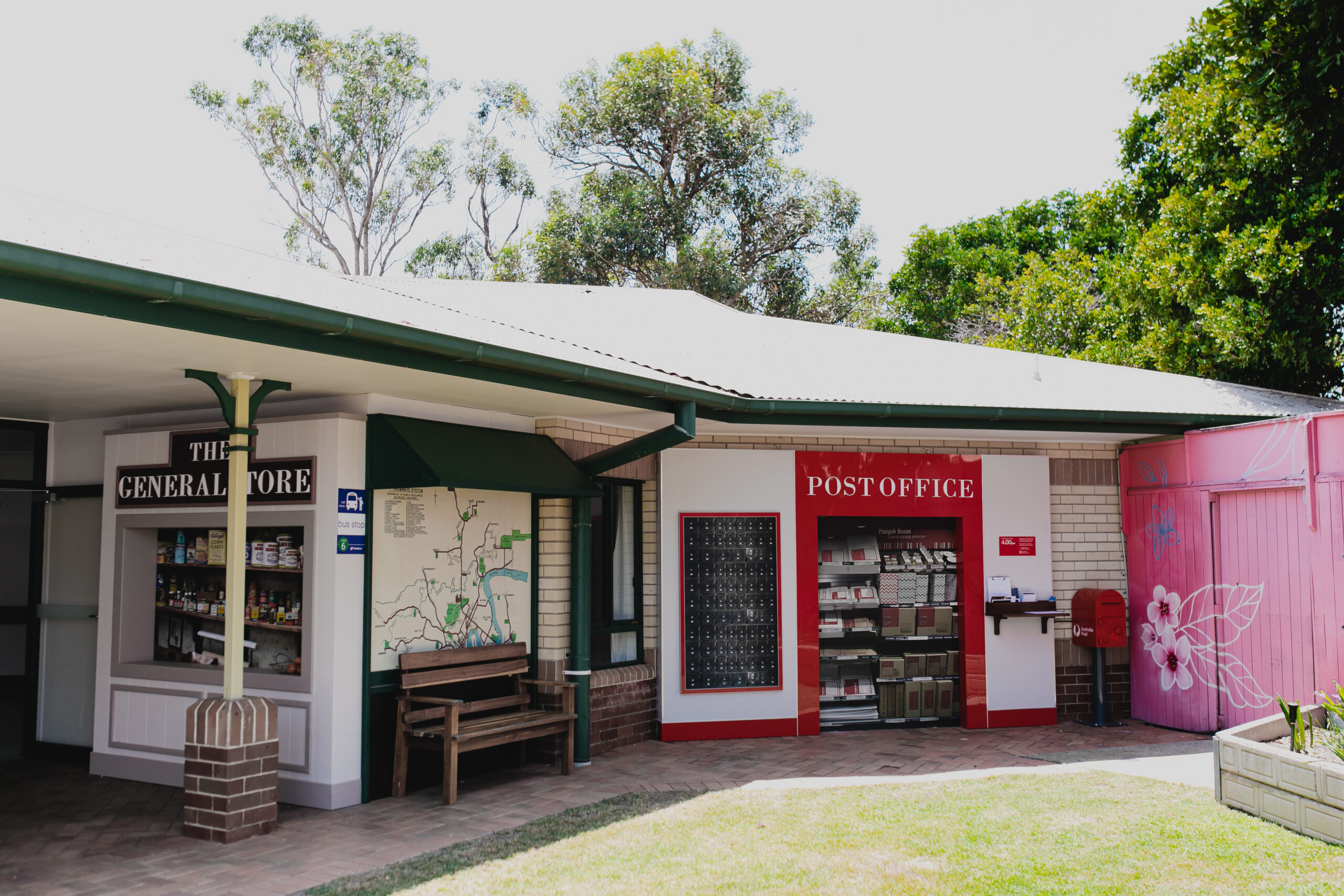
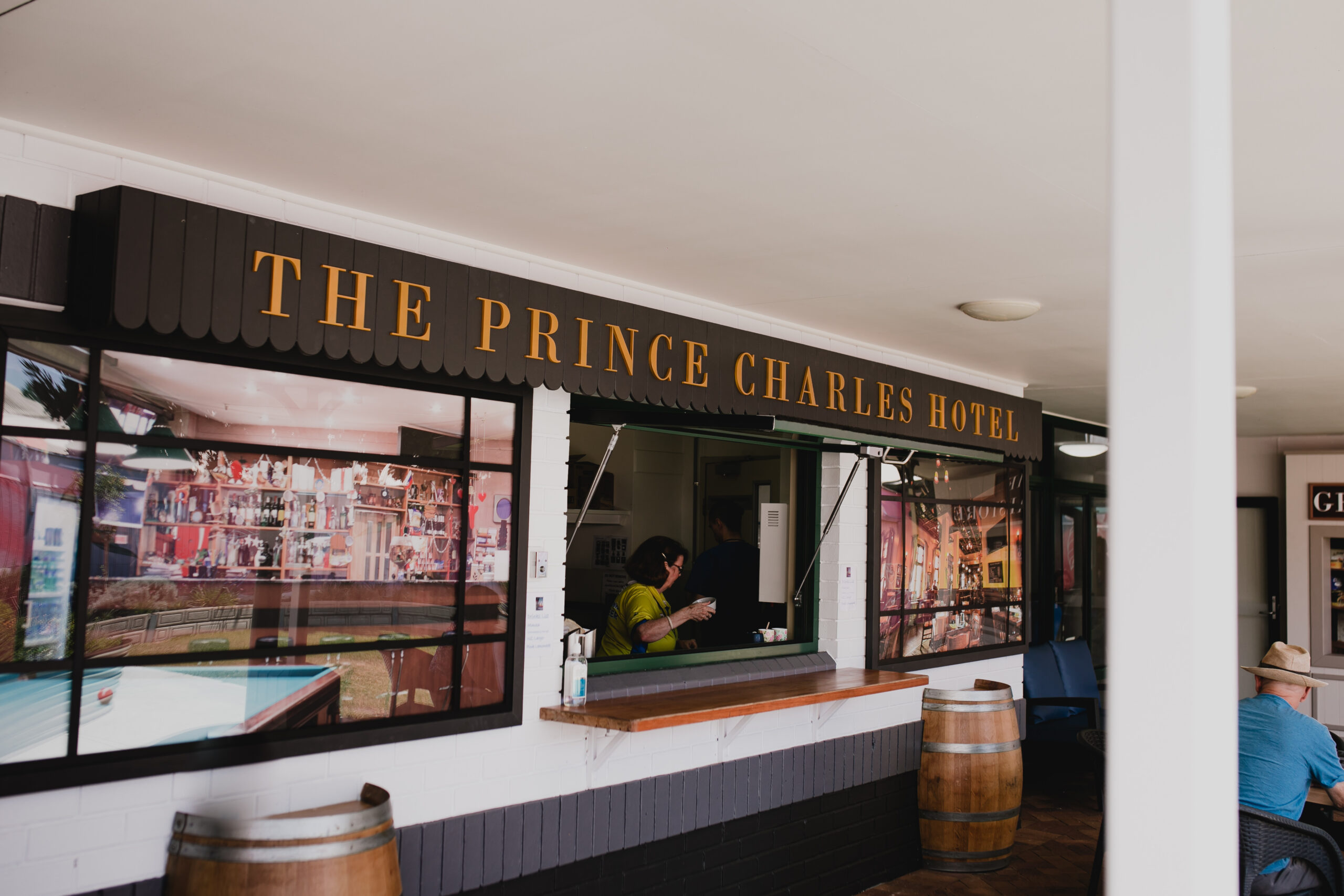
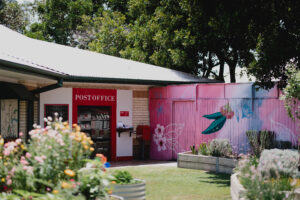 For people living with dementia and other cognitive impairments, their surroundings can significantly impact their mood, behaviours, and overall well-being. This is why a thoughtful redesign of the outdoor area of The Prince Charles Hospital’s Cognitive Assessment and Management (CAM) Unit – the extended care ward for patients with dementia and other cognitive impairments – was designed in collaboration with frontline clinicians and geriatricians. One part of the transformation is affectionately known as ‘Charlie’s Village’, which includes built-in facades of a post office, café and bakery, hair salon, general store, a hotel (aptly named The Prince Charles Hotel) and a bus stop. Our generous community helped fund this unique, village-like space through the Foundation’s 2022 Giving Day. It was constructed in 2023 and is believed to be the first of its kind in an Australian public hospital. A sensory garden was planted the year prior, which was the first step in creating a calming atmosphere.
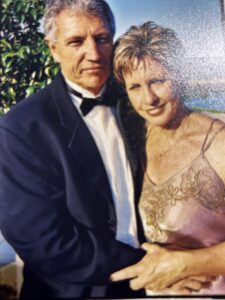
In 2017, Geoff Ellis, then 68, was diagnosed with frontotemporal dementia – one of the less common types of dementia that leads to progressive damage to the frontal or temporal lobes of the brain, or both. At that time, he started medication to help slow the deterioration caused by the disease and his cognitive decline, while his wife Eve cared for him at home for six years.
However, in 2023, Eve injured her shoulder and was unable to continue looking after Geoff herself. As a result, she had to find him a placement in a nearby nursing home.
“Once my shoulder improved, I was able to bring him home, but his behaviour had really started to decline. He was just a different person. He’d escape out of the yard,” said Eve.
Eve had worked at The Prince Charles Hospital in the Cardiac Interventions/Investigations Unit (CIU) for close to 12 years. Her former manager there told her about the Cognitive Assessment and Management (CAM) Unit and its recent environmental upgrades to its outdoor spaces, supported through the Foundation’s 2021 and 2022 Giving Days, including Charlie’s Village and a sensory garden – both of which were added to offer diversion and distraction to aid in the management of patient behaviours and moods.
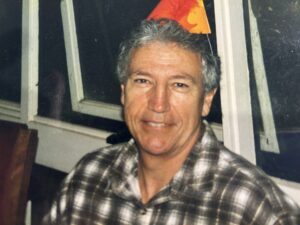 Following this conversation with her former colleague, Eve received a referral from the GP and then on to a specialist geriatrician, and Geoff was admitted to the CAM unit, where he stayed for a couple of months.
“When he first arrived at the CAM Unit, his behaviours were at their worst. He underwent a geriatric and medication review. Thanks to their evidence-based strategies, which use the outdoor spaces to help manage behaviour and mood, his medications were decreased. The insight that all of those staff can offer into dementia and every patient with dementia is invaluable,” said Eve.
Charlie’s Village and the outdoor environment in the CAM Unit
In 2023, the outdoor area of the CAM Unit was transformed into ‘Charlie’s Village’ – a welcoming and homely environment that resembles a real-life community that would therefore feel familiar to the patients.
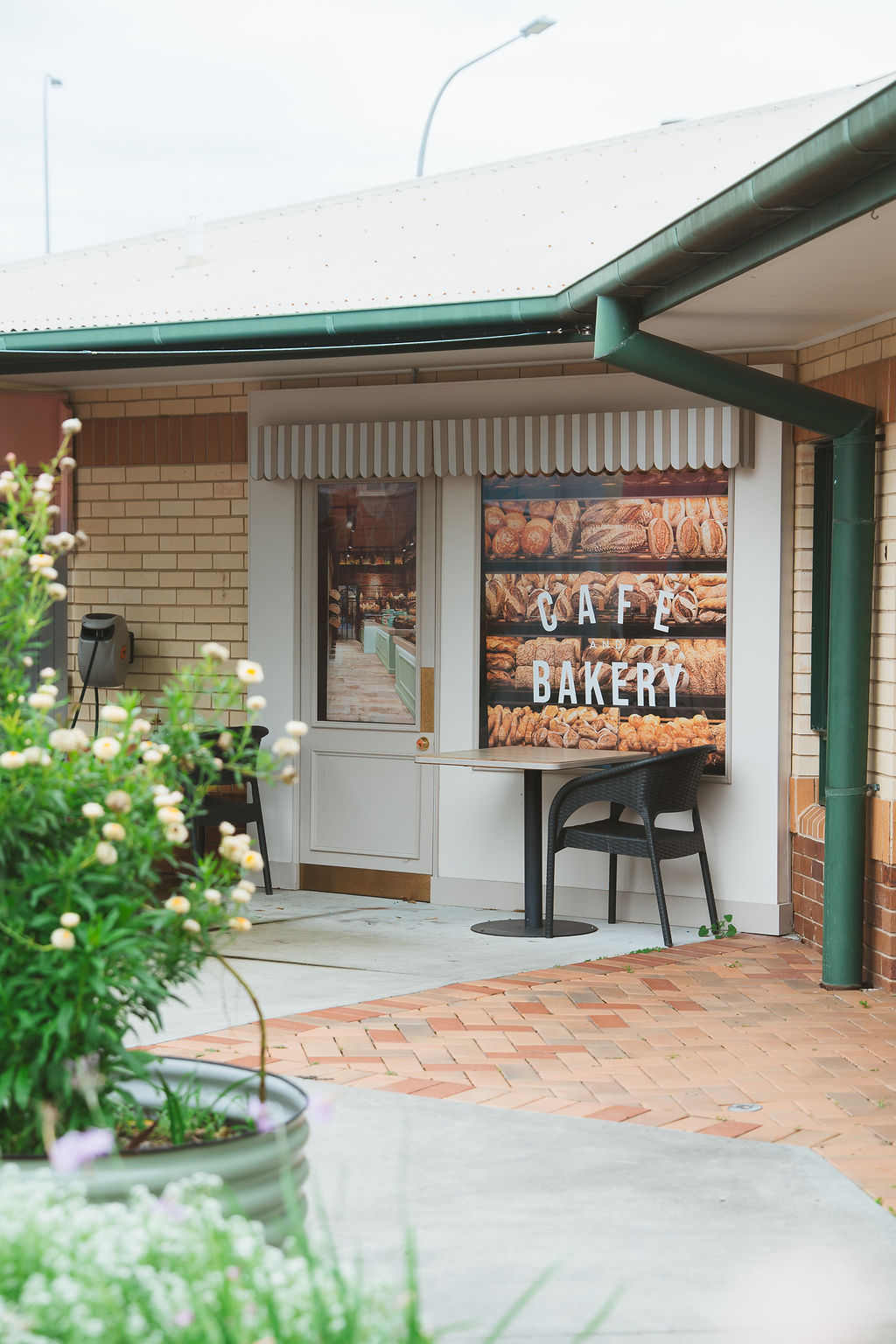
This village-like space includes built-in facades of a post office, general store, a café and bakery, a hotel (named The Prince Charles Hotel), a hair salon and a bus stop.
The previous year, a sensory garden was planted to offer a safe, calming natural environment where patients can smell fragrant herbs, feel the textures of the flowers and plants, and listen to the songs of the birds in the nearby trees. Patients who stay in this ward sometimes assist with watering the garden and pulling out the weeds – activities which keep them mobile, offer a sense of joy or divert them from stress they may be feeling.
” Many studies show that creating a dementia-friendly environment is one of the most important ways to support people living with dementia. A dementia-friendly environment, one that is calm, familiar, and supportive, can help people feel more comfortable, safe, and less distressed. By taking the time to understand each person’s needs and including their family, we can make the environment truly person-centred. These thoughtful changes to the environment not only support recovery, but also help people return home, where they feel most at ease, when the time is right,” said Khera Kim, Nurse Practitioner, Delirium and Dementia Service, The Prince Charles Hospital.
Khera described the area before the upgrades as barren. She believes these evidence-based environmental modifications have made such a positive impact on patients and their families, along with the staff who care for them, that they should be the gold standard in any facility for people with dementia or other cognitive impairments.
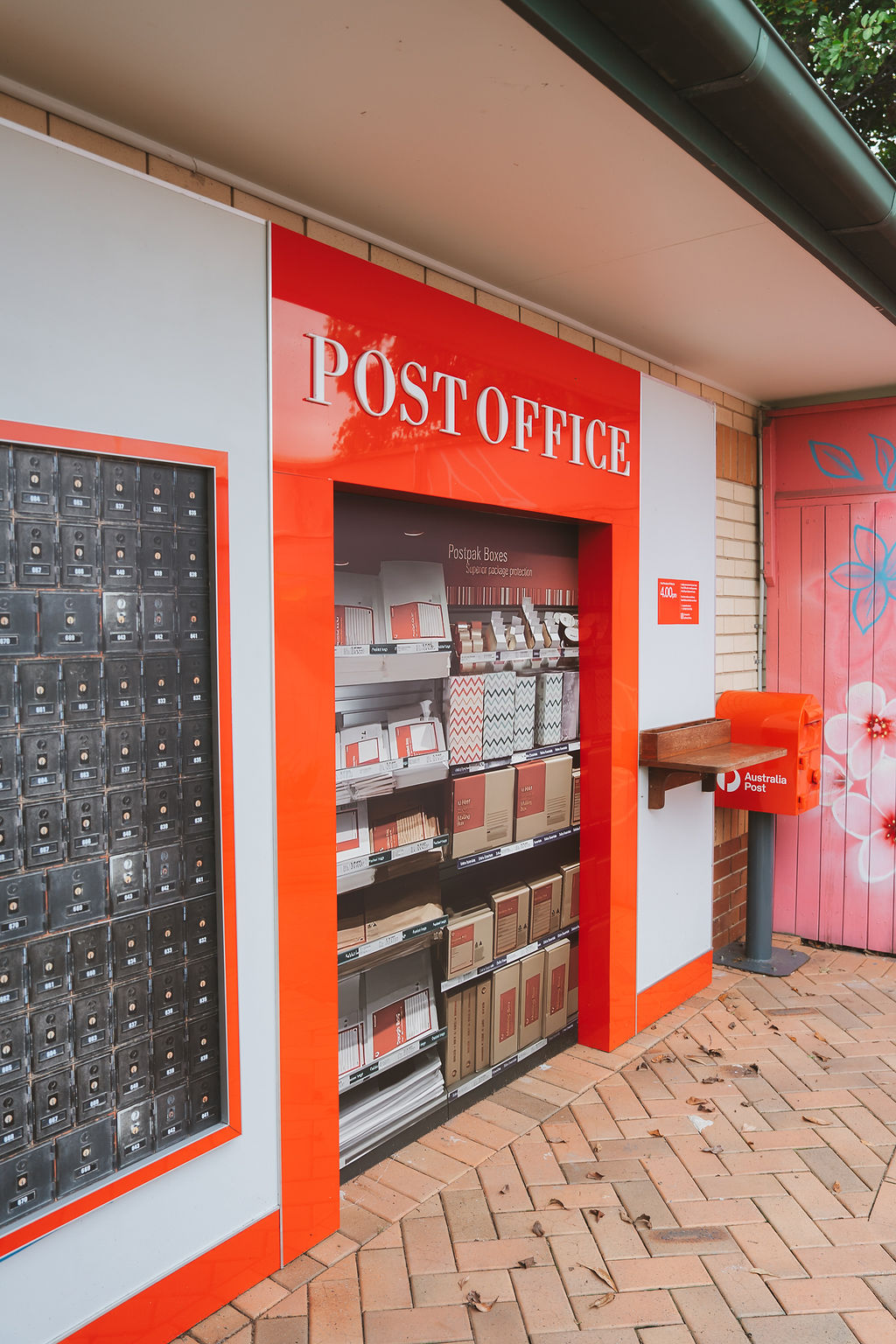
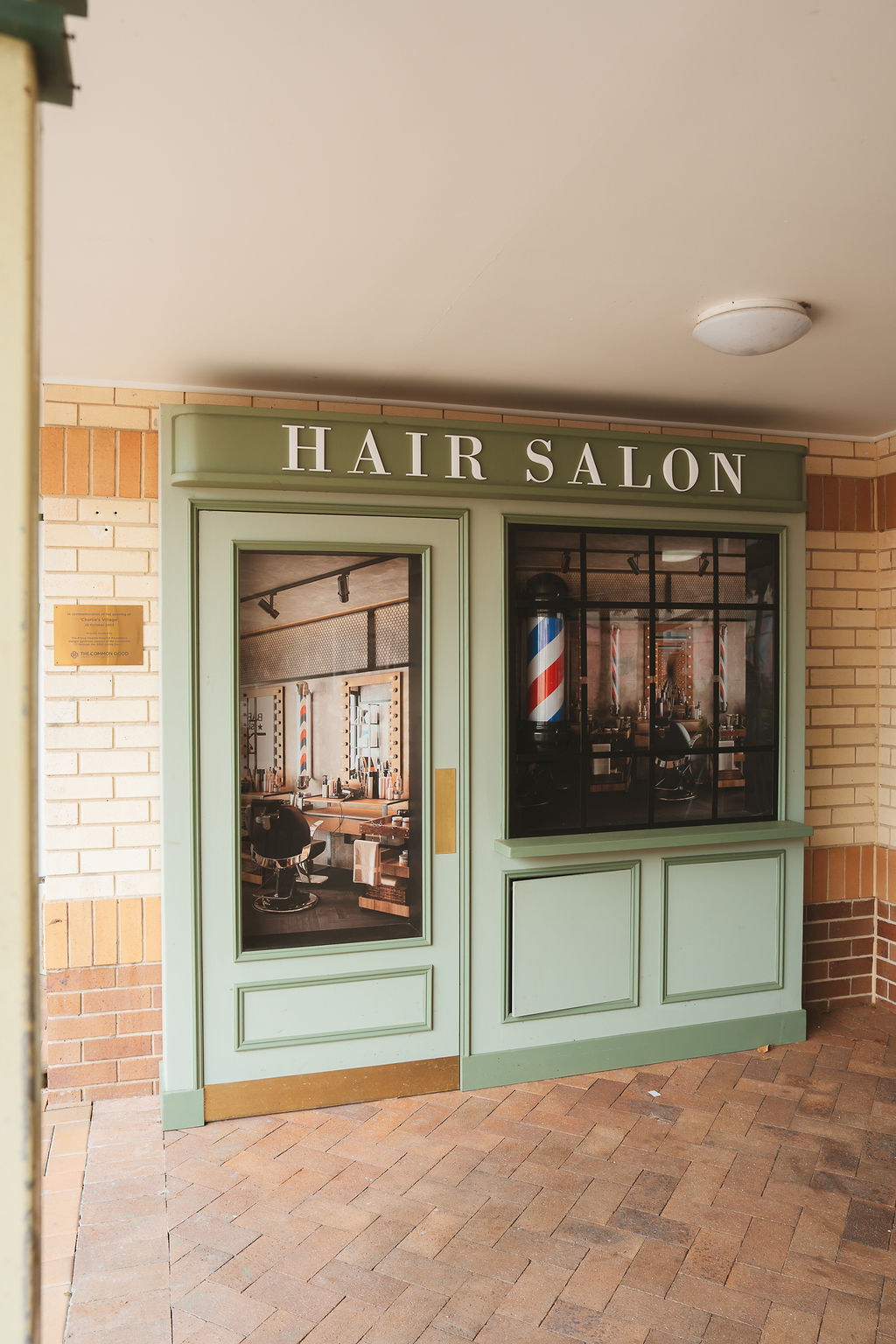
The Charlie’s Village facades connect the patients with a bit of reality, and a bit of their past life environments, so that was excellent. Geoff used to gravitate towards the post office area… he would stand and look at that.
– Eve, Geoff’s wife
The space ‘improves patients’ quality of life and carers’ peace of mind’
As a loved one who witnessed the care of her husband in this unit, Eve says having access to a safe and secure space like this improves the patients quality of life and gives their carers peace of mind.
“It’s a secure area, and the outside offers fresh air along with sunshine and shade. The garden was certainly lovely. The Charlie’s Village facades connect the patients with a bit of reality, and a bit of their past life environments, so that was excellent. Geoff used to gravitate towards the post office area… he would stand and look at that,” said Eve.
Geoff was able to return home after his first stay in the CAM unit, and Eve was able to continue caring for him there comfortably for another four months. Eventually he did return to the unit for further treatment and management of his condition. Sadly, he passed away earlier this year.
“The behaviours and difficulties that people have with managing dementia are so diverse, and to be able to supply Geoff with an environment like this, and have this care was amazing. I am extremely grateful,” she said.
For Eve, this inviting outdoor space within the unit offered a non-clinical place to celebrate one of Geoff’s birthdays. It also meant that when she would visit and sit outside, she met a number of the other patients’ wives – some of whom she still stays in touch with.
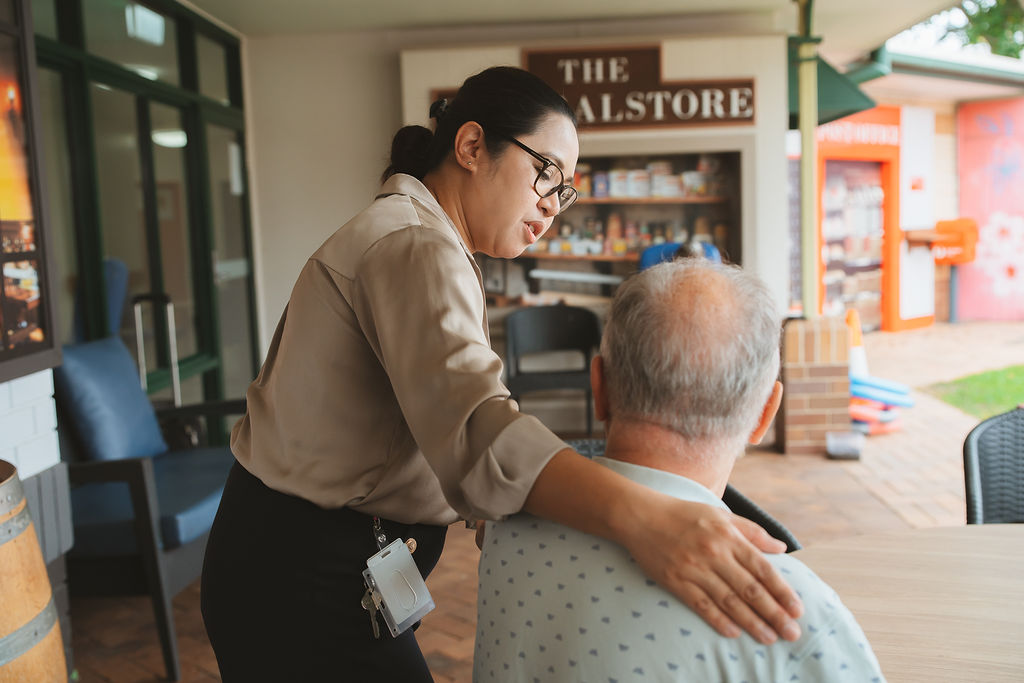
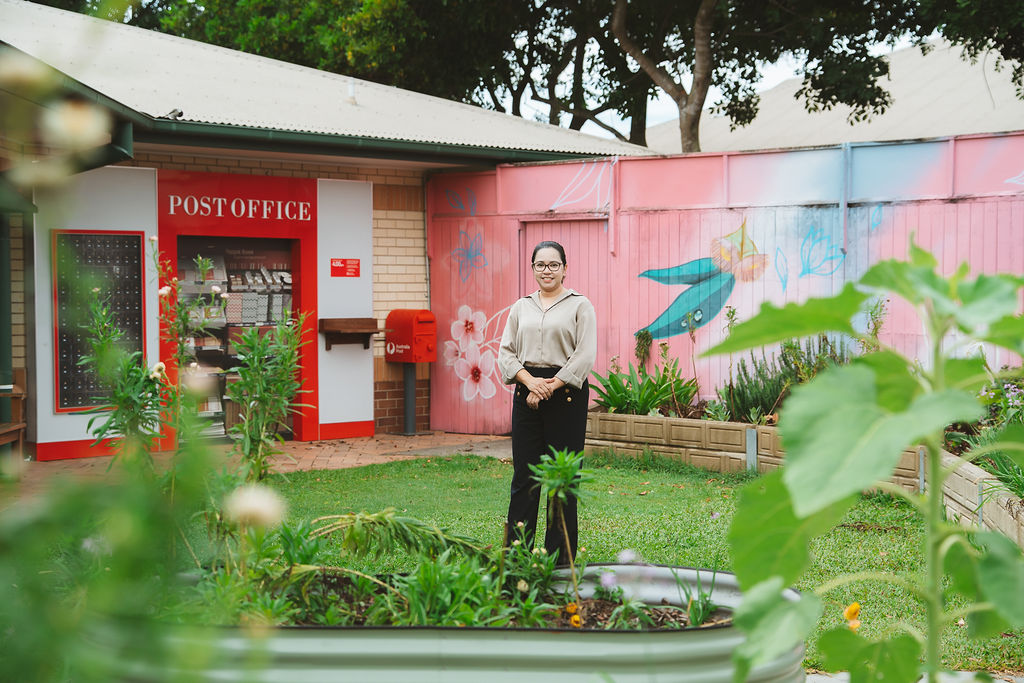
Benefits of the environmental modifications within the CAM Unit
This upgrade to the outdoor space within this unit was thoughtfully considered and designed in collaboration with frontline clinicians and geriatricians.
Some of its key benefits that have been witnessed every day include:
- The safe, homely space helps to reduce anxiety, tension and responsive or reactive behaviours, and the rate of escalation of changed behaviours. This, in turn, has helped to reduce the need for sedatives to help treat and manage some patients’ behaviours.
- The destinations may jog memories and elicit feelings of nostalgia, allowing patients to reminisce.
- Promotes positive social interaction and meaningful relationships among patients and their families, between individual patients, and between patients and staff.
- Encourages patients to maintain independence and mobility by providing meaningful, engaging activities.
- Effectively supports individualised patient care, helping with the development of customised care plans tailored to patients’ needs and preferences.
“I think this layout and/or environmental modifications should be a gold standard in any institution or any hospital setting looking after someone with dementia or cognitive impairment,” said Khera.
Khera and the other staff who care for patients in this unit have many stories of how the environment has helped manage behaviours and moods.
“Some of these patients were in high-functioning roles before – managers, bankers, owned their own companies, etc. So, the way they like to communicate before, aside from becoming verbally upset, is to write down why they’re upset.”
Khera recalls, “One staff member was trying to calm down a patient who wanted to make a complaint. He said, ‘Why don’t we write a letter to the manager of this place and you can tell them your feedback?’ So, this gentleman started writing, and after that he just settled and told the staff member, ‘I want a beer; let’s go to the pub.’ And so, they went and had juice at the Charlie’s hotel shopfront.”
Charlie’s Village: A ‘catalyst for change’
Eve’s experience of forming new friendships and connections through Charlie’s Village is not uncommon among patients’ loved ones, and it did, in fact, inspire a monthly patient support group.
“This unique setting became the catalyst for change, revealing that many carers had been navigating their roles in isolation for a long time. Recognising this, the idea to create a primary carer support group emerged,” said Khera.
“As one of the first dementia-specific support groups in a hospital setting, it provides a safe space where loved ones of people living with dementia can connect with others who share similar experiences, exchange stories, and learn from one another.”
A leisure therapy project has also commenced within the unit as a result of these environmental upgrades.
“We find that Charlie’s Village’s design and atmosphere actively encourage holistic wellbeing. We use the space not only for physical activities like simple morning yoga and balance exercises, but also to foster social connection and cognitive engagement. In the café area, I join others in discussions that further strengthen our sense of community and belonging,” said Khera.
The clinicians also hope that the care and treatment principles proven effective through Charlie’s Village can be implemented more broadly throughout the hospital to help more patients and their families.
“We’re calling this approach the Dementia-Friendly System of Care. Our goal is to make everything we’ve learned and achieved in Charlie’s Village available to every person living with dementia and their loved ones, no matter where they are in the hospital,” said Khera.
I think this layout and/or environmental modifications should be a gold standard in any institution or any hospital setting looking after someone with dementia or cognitive impairment.
– Khera Kim, Nurse Practitioner, Delirium and Dementia Service, The Prince Charles Hospital.
Please help us make Caboolture Village a reality
The success of Charlie’s Village has also inspired a second initiative at Caboolture Hospital.
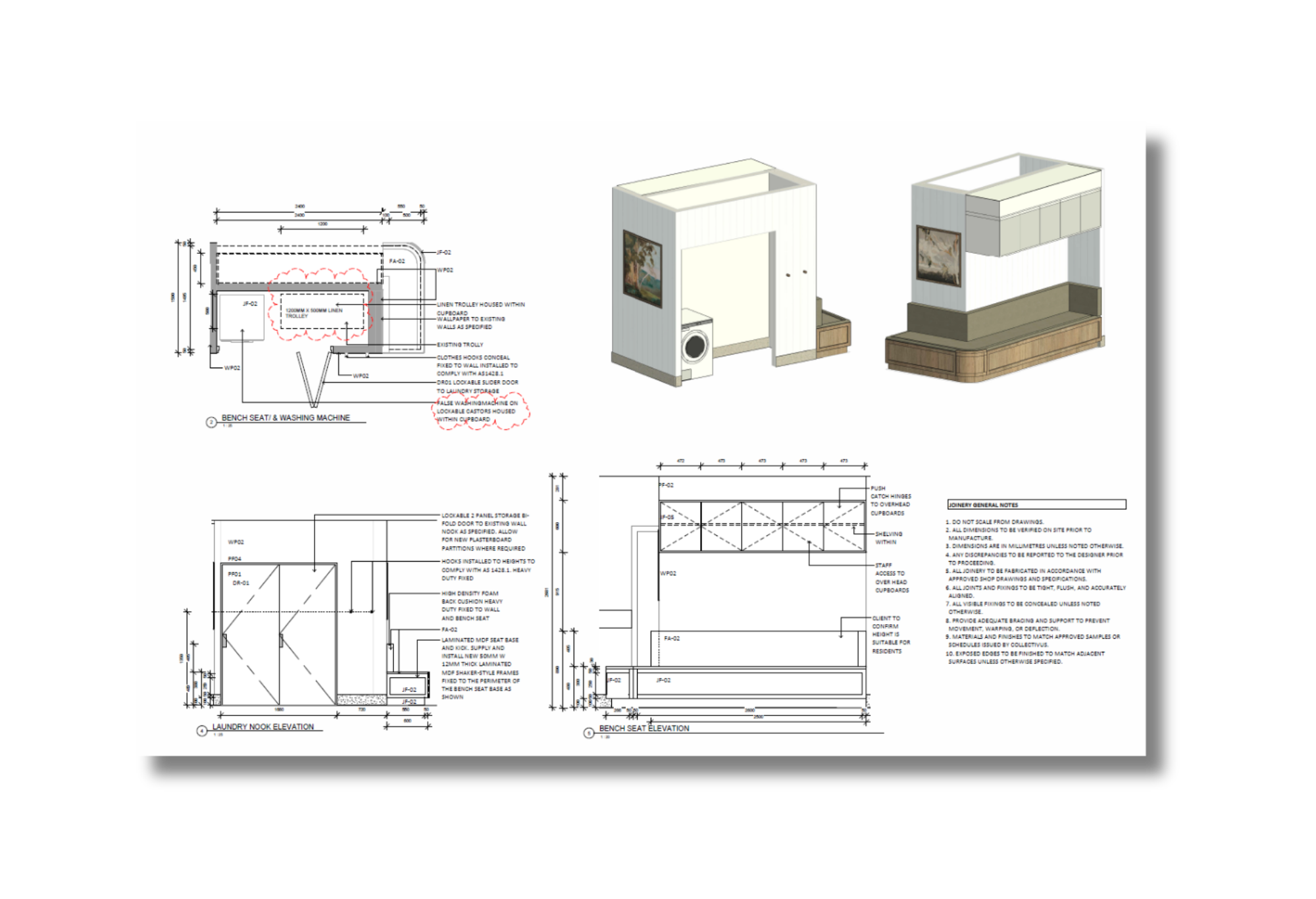
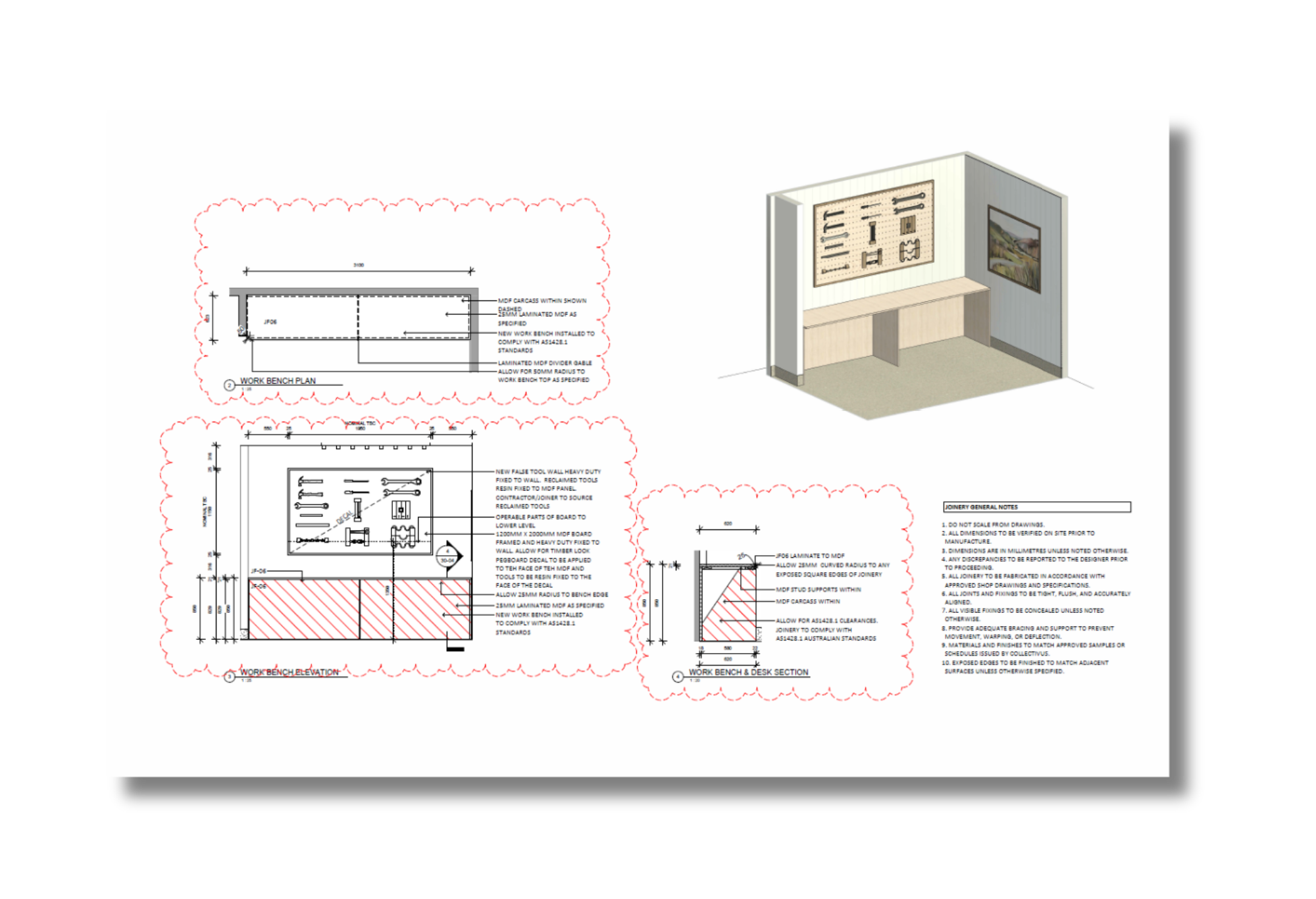
Like Charlie’s Village, Caboolture Village will be built within the ward where patients with dementia and other cognitive conditions are cared for, and it too aims to provide destinations that spark nostalgia and engagement.
The plans for this space include a faux fireplace and laundry with other facades potentially featuring a woodworking shed, farmhouse kitchen, and payphone—continuing the tradition of creating environments that support independence, social interaction, and well-being.
“This upgrade addresses a growing and urgent need in our community. Once complete, Caboolture Village will be a long-term legacy space for Caboolture Hospital, which benefits hundreds of patients impacted by dementia, and the staff and family members who care for them,” said Chloe Nguyen, Chief Communications and Philanthropy Officer.
We hope kind people like you can help us create this space that offers so much, including independence, dignity and mobility for these patients, and benefits their loved ones and staff as well.
“We’ve obviously got to have more of these, and to be able to supply these places, it needs money,” said Eve.
Powering today, reinventing tomorrow – your support contributes to life-changing research and patient care initiatives. Donate today and help people live healthier for longer for the next 40 years and beyond.