Why does cirrhosis affect the brain so dramatically?
The prevalence of liver disease in Australia is estimated to be 6 million and this is set to continue to increase over the next 15 years and beyond. Healthcare professionals know that with an increase in liver disease there will be an increase of patients with cirrhosis.
Hepatic encephalopathy presents occurs as a result of cirrhosis – severe liver disease. Severe onset often causes extreme personality changes, confusion, confused speech, anxiety and lethargy in patients and can develop into coma and even death.
This debilitating decline in brain function not only has a major effect on prognosis and quality life of patients, it also has an impact on families and the health care system, yet little is understood about this disease and its effects on the body and brain.
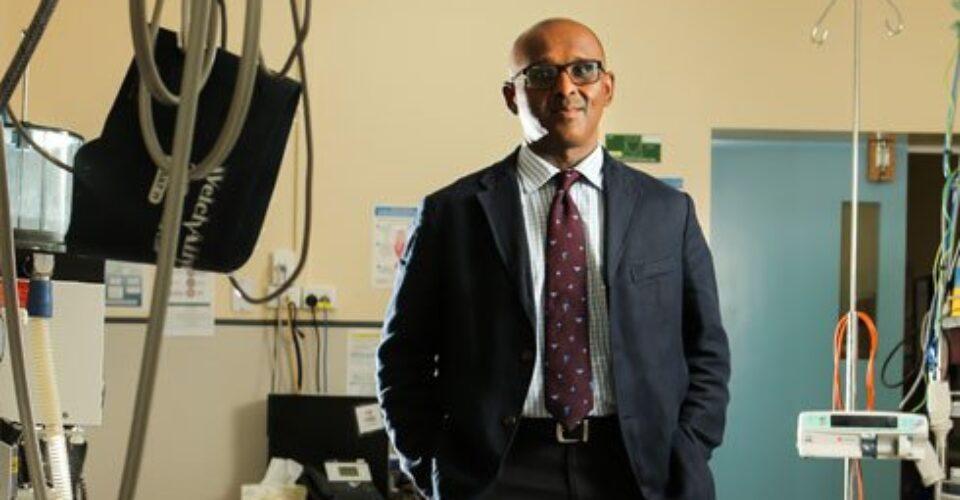
Dr Tony Rahman is studying hepatic encephalopathy in a bid to better understand the underlying causes and development of this disease, which, in turn, will improve clinician’s ability to reach a diagnosis and potentially treatment and patient outcomes in future.
Research at The Prince Charles Hospital offering hope for earlier detection of silicosis, a serious lung disease caused by silica dust exposure in construction, mining, tunnelling and stonemasonry.
Brisbane Chain Reaction Challenge 2026: In May, some of the riders visited The Prince Charles Hospital to hear from the Child Life Therapists first-hand.
National Volunteer Week Australia 2026: We will introduce you to a small number of volunteers who are currently helping us to make a meaningful difference.
Generous individuals who have chosen to leave a gift in their Will to the Foundation will receive a special oil painting as a reminder of the enduring impact of their decision.
Professor Gregory Scalia AMProfessor Gregory Scalia AM first stepped into The Prince Charles Hospital as a registrar in the early 90s. Now, as the hospital’s long-standing Director of Echocardiography, he has dedicated most of his career to ensuring that complex cardiac diagnoses are accessible to a much larger portion of the population through echocardiography
In this blog, we introduce you to our 2025 Research Fellowship recipients and share insights into their work and why their investigations are so important.