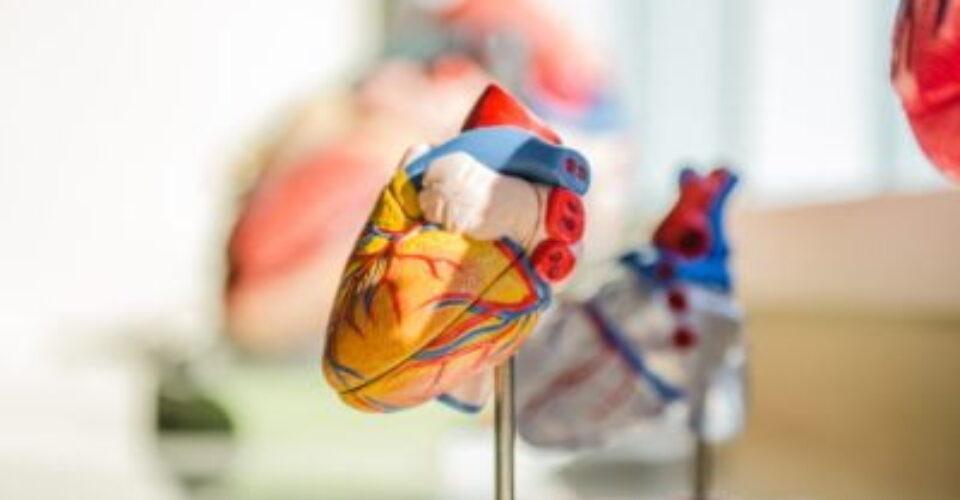
When someone suffers heart failure they are likely to require a mechanical pump to support one side of the heart, to keep the patient alive until such a time that a donor heart can become available. But the heart has two sides, the left ventricle and the right ventricle and sometimes when one side requires a heart pump the other side will develop complications – which can greatly increase the urgency for transplant.
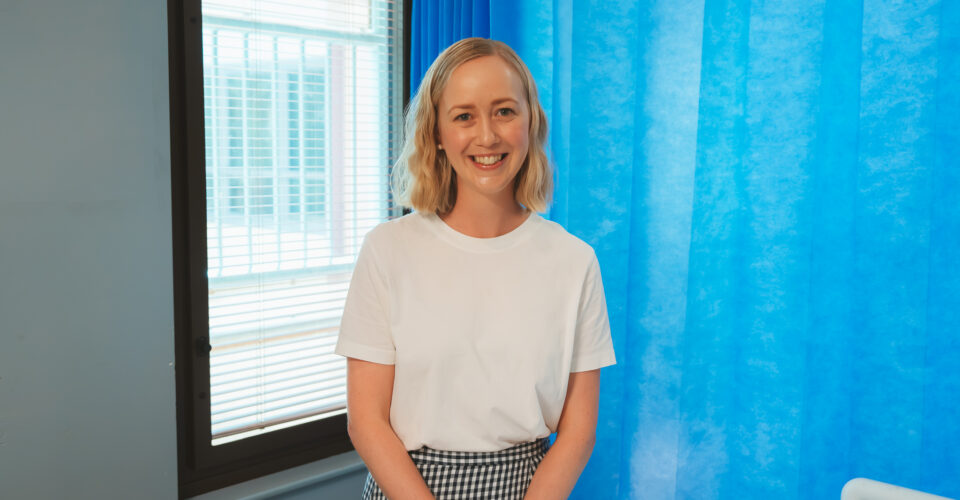
As it is more common for patients to require a pump to assist the left ventricle of the heart, researcher Nicole is working to understand why the body then experiences complications in the right side of the heart.
To this end, Nicole has worked to develop a model of heart failure to replicate what is seen clinically in patients, this model is now being used to conduct initial research on the Ventricular Assist Device (VAD) to assess its effects on the right side of the heart.
Nicole is hoping to develop ways in which the life giving pump and the heart can work together in harmony – and save lives.
Research at The Prince Charles Hospital offering hope for earlier detection of silicosis, a serious lung disease caused by silica dust exposure in construction, mining, tunnelling and stonemasonry.
Brisbane Chain Reaction Challenge 2026: In May, some of the riders visited The Prince Charles Hospital to hear from the Child Life Therapists first-hand.
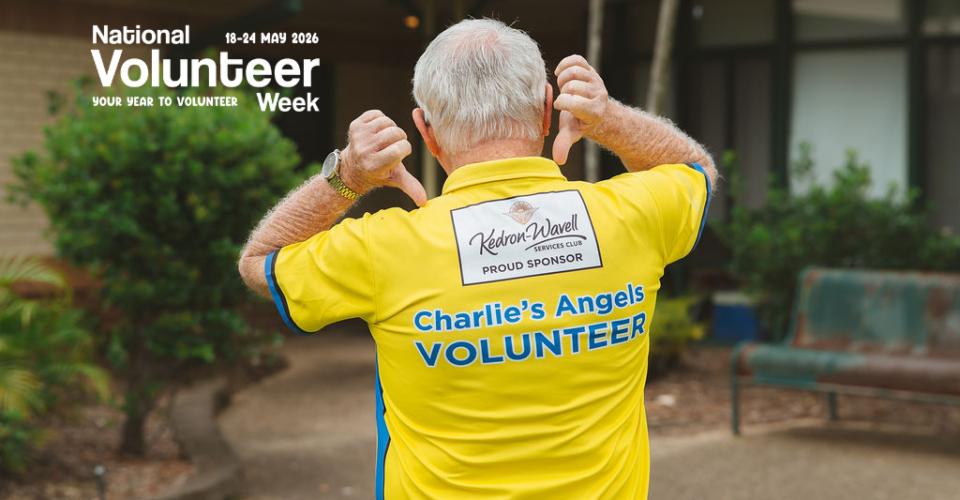
National Volunteer Week Australia 2026: We will introduce you to a small number of volunteers who are currently helping us to make a meaningful difference.
Generous individuals who have chosen to leave a gift in their Will to the Foundation will receive a special oil painting as a reminder of the enduring impact of their decision.
Professor Gregory Scalia AMProfessor Gregory Scalia AM first stepped into The Prince Charles Hospital as a registrar in the early 90s. Now, as the hospital’s long-standing Director of Echocardiography, he has dedicated most of his career to ensuring that complex cardiac diagnoses are accessible to a much larger portion of the population through echocardiography
In this blog, we introduce you to our 2025 Research Fellowship recipients and share insights into their work and why their investigations are so important.