Understanding cobalt reactions in joint replacements
The Common Good

Understanding cobalt reactions in joint replacements

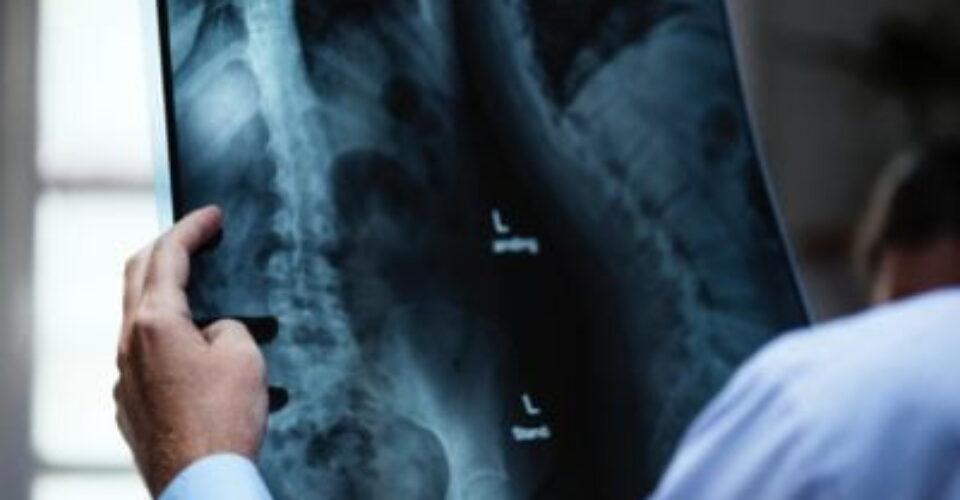
Hip replacement is a common surgery in Australia for patients with osteoarthritis and the number of patients undergoing the surgery is only going up. There has been a 25% rise in hip replacements since 2004-05, with nearly 100 surgeries per every 100,000 people.

The most common material used in hip replacement surgery is a metal-on-metal prosthesis made from cobalt alloys; this is the material of choice due to its durability. However, studies have shown that nearly 8% of patients will need revision surgery due to the cobalt material having an adverse effect on the body.

Researcher Zetao set out to better understand why this problem is occurring and began working on a solution for the thousands of patients facing this reaction. To try and tackle this issue, Zetao’s study looked at how the body reacts to the cobalt in the prosthesis, specifically how the cobalt ions were interacting with bond-forming and immune cells in the joint. To reach his findings he exposed the cells to small doses (in ppm) of cobalt and tracked the results.

Zetao discovered that cobalt toxicity in cells happens at 50ppm (which is a relatively low dose). The cobalt was suppressing the immune cells response and starving them of oxygen. This is great insight into how cobalt-based implants affect the body and seemingly ‘reject’ and require future surgery.

Now that Zetao understands the relationship between cobalt ions and human cells, he would like to progress to carrying out an in vivo study to obtain more important data, he will then be able to seriously look into drug interventions to stop this common and detrimental side effect.

Zetao is applying for an Emerging Researcher grant to help him continue his life changing work.

Support The Common Good here.
Published: April 26, 2019

Related news & events

Meet the 2025 PhD Recipients

Research Grants

Meet the 2025 PhD Recipients

The Prince Charles Hospital Foundation was pleased to award six PhD Scholarships in 2025. Click here to meet the recipients.

Find out more

Professor Gregory Scalia AM

Researcher Stories

Professor Gregory Scalia AM

Professor Gregory Scalia AMProfessor Gregory Scalia AM first stepped into The Prince Charles Hospital as a registrar in the early 90s. Now, as the hospital’s long-standing Director of Echocardiography, he has dedicated most of his career to ensuring that complex cardiac diagnoses are accessible to a much larger portion of the population through echocardiography

Find out more

Meet the 2025 Research Fellowship Recipients

Research Grants

Meet the 2025 Research Fellowship Recipients

In this blog, we introduce you to our 2025 Research Fellowship recipients and share insights into their work and why their investigations are so important.

Find out more

Key Indicators of Cognitive Impairment in Patients with Obstructive Sleep Apnoea

Ageing

Key Indicators of Cognitive Impairment in Patients with Obstructive Sleep Apnoea

“There’s emerging evidence that links poor sleep to the development of dementia – particularly Alzheimer’s disease,” said Dr Irene Szollosi.

Find out more

Carl Francia, PhD candidate

Researcher Stories

Carl Francia, PhD candidate

PhD candidate Carl Francia first observed the disproportionate impact of Acute Rheumatic Fever and RHD on Indigenous Australians while working as a physiotherapist in 2022.

Find out more

TPCH Researcher of the Year 2024, Dr Ieuan Evans

Researcher Stories

TPCH Researcher of the Year 2024, Dr Ieuan Evans

TPCH Researcher of the Year 2024, Dr Ieuan Evans, is working to develop a Therapeutic Drug Monitoring (TDM) program specifically for Trikafta.

Find out more

Enhancing patient recovery with Memory Lane 

Ageing

Enhancing patient recovery with Memory Lane 

The hospital’s Occupational Therapy department enlisted the help of some fourth-year UQ students to complete a joint project aimed at promoting Memory Lane and gathering feedback on its usage.

Find out more

Jacarandas and The Prince Charles Hospital

The Common Good

Jacarandas and The Prince Charles Hospital

Over the past several decades on The Prince Charles Hospital’s campus, Jacaranda trees have offered shade and shelter from the elements, as well as a beautiful spot for people to gather outside the clinical environments.

Find out more

The Prince Charles Hospital’s 2025 Giving Day

The Common Good

The Prince Charles Hospital’s 2025 Giving Day

Over $162,000 was raised for The Prince Charles Hospital at our fifth annual Giving Day, thanks to our special community.

Find out more