The dangers of asbestos are well known, with exposure to its fibres causing asbestosis and the deadly lung cancer, mesothelioma. Decades on and we are facing a new industrial health crisis, silicosis, which is proving to be just as deadly.
What is Silicosis?
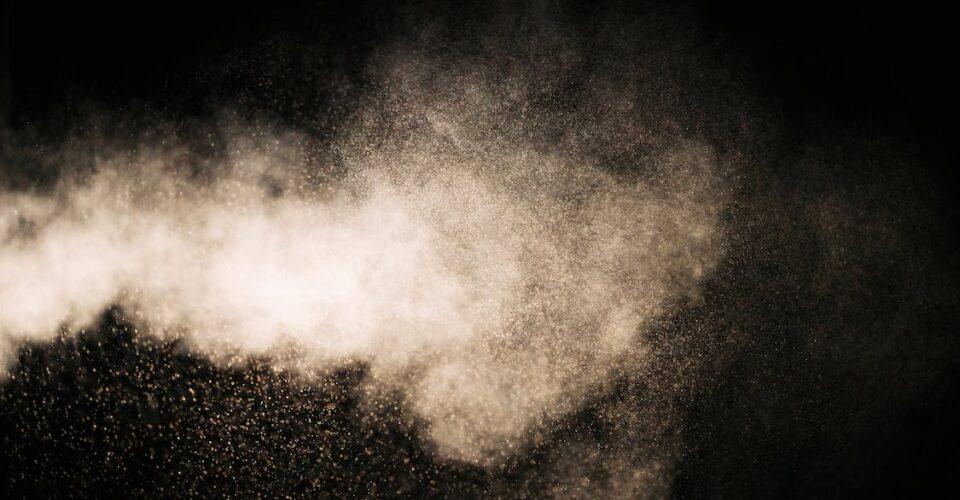
Silicosis is a severe, progressive dust-related lung disease caused by inhaling toxic silica dust such as that from popular engineered stone products, such as kitchen and bathroom bench tops.
When inhaled the silica dust settles in the lungs, and the immune system goes into overdrive, causing inflammation and scarring (fibrosis).
This means the lungs can’t function properly and the person cannot breathe.
Silicosis in Queensland
The group most at risk of silicosis are stonemasons who cut, grind and sand the engineered stone products, inhaling the dangerous silica dust particles.
A screening by WorkCover Queensland of over 1,000 stonemasons exposed to crystalline silica dust found that almost 1 in 5 had silicosis. Additionally, 1 in 30 had progressive massive fibrosis (PMF) – a more advanced form of the disease which is potentially fatal.
Importantly, those affected by silicosis are relatively young with much of their lives still ahead of them. In addition to the impact on individuals, a diagnosis of silicosis has enormous economic and societal impacts.
For those impacted by silicosis, however, there is hope.
Hope for those impacted by Silicosis
The Queensland Lung Transplant Service (QLTS) at The Prince Charles Hospital (TPCH) is at the forefront of tackling this insidious condition. The QLTS is an internationally-renowned research centre aimed at improving the outcomes for patients with advanced lung diseases.
Research by Dr Simon Apte, a Research Fellow of The Prince Charles Hospital Foundation and Chief Scientist at QLTS, has led to the development of a world-first test to directly measure the amount of silica in a person’s lungs.
“We knew these young men had been exposed to this highly-toxic material, but there was no direct way of measuring how much was actually in their lungs. Our first task was to invent a new method to quantify the crystal load in these patients. This method has recently been published in a highly respected scientific journal and we are already seeing other research centres start to use our method,” Dr Simon Apte, Queensland Lung Transplant Service.
The ability to calculate the amount of silica in the lungs has also played a vital role in being able to develop a ground-breaking treatment for silicosis as it is able to provide a measure of success.
Whole Lung Lavage Treatment
Following Dr Apte’s research, Professor Dan Chambers, senior thoracic physician and head of research at QLTS, developed a revolutionary treatment for mild forms of silicosis, called whole lung lavage. Essentially the treatment involves washing a patient’s lungs, one at a time, with 25 litres of a salt-water solution over a three-to-four-hour period, under general anaesthetic.
Results of early trials have seen a 16-fold reduction in silica dust in the lungs of patients after the whole lung lavage procedure and a significant improvement in radiological assessment. The protocol developed at TPCH is now being rolled out to clinicians in both NSW and Victoria.
It is important that silica crystals are removed from the lungs early as the longer they are present, the more scarring occurs which reduces the function of the lungs, making it hard for the person to breathe.
Global Importance of Research into Silicosis
The importance of this research is not just limited to Australia but has the potential to save lives worldwide, with the use of engineered stone products now being used extensively in many countries.
The QLTS is also working towards finding treatments for those with PMF, the more advanced form of silicosis.
“We are now working on new ways to find drugs that can help treat patients with PMF. We have a two-pronged approach: we’re using a rational-targeted approach to find existing approved drugs that can be re-purposed for the job; and we are also testing natural products from Australian flora and fauna in collaboration with Nature Bank at Griffith University. This second approach has already identified exciting lead compounds extracted from the roots of a native Queensland rainforest tree that may prove to have anti-fibrotic properties,” Dr Simon Apte, Queensland Lung Transplant Service.