February 11 each year is the International Day of Women and Girls in Science – our chance to acknowledge and honour the females in science, their impressive talent and their significant achievements. It is also a day to spread awareness of the issues which have exacerbated the gender gap in STEM (Science, Technology, Engineering and Mathematics) over time, such as gender stereotypes that begin at an early age, lack of diverse role models, care responsibilities and pay gaps.
According to Australia’s Women in STEM Ambassador, the percentage of women in the STEM workforce is 27% and the number of women in senior positions is 23%. Women’s average full-time income in these industries is 18 % lower than men’s.
“We can all do our part to unleash our world’s enormous untapped talent – starting with filling classrooms, laboratories, and boardrooms with women scientists, “ UN Secretary-General António Guterres said.
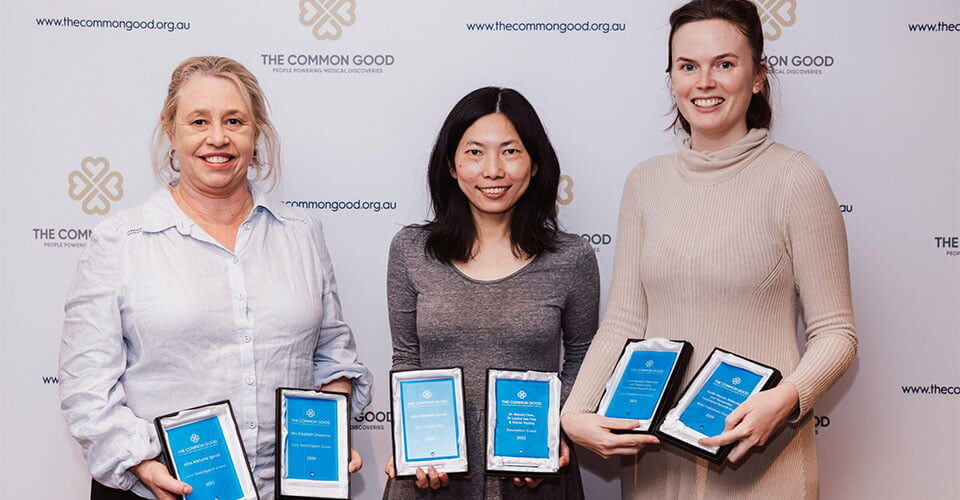
At The Common Good, we see the incredible work of female researchers and medical staff on a daily basis, and we would like to introduce you to some of those women working hard to make a difference in their field.
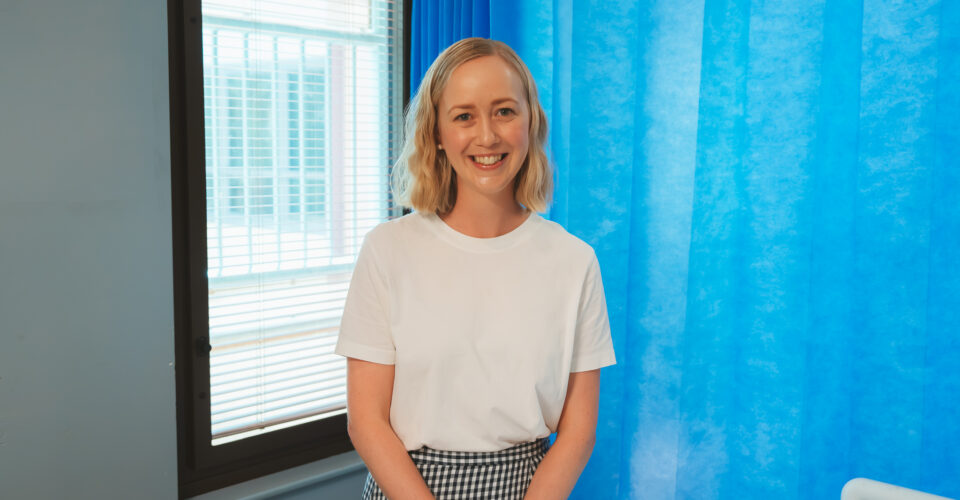
The Common Good, Research Manager: Dr Megan Grace
- What led you to work in the field of science and research?
As a sports-obsessed youth, I started my undergrad doing Sports Science without any real idea of where it would lead me. Because of a passionate lecturer, I developed a fascination with physiology and how our bodies work and later became interested in what happens to disrupt normal function in disease states. - What do you love most about being involved in science and research?
Life is never dull! In science, you are constantly learning new things, and trying to figure out puzzles when results surprise you! - Do you have a role model or mentor, or someone you look up to in the world of science and research?
My undergrad physiology lecturer, who started my journey in science. Also, my PhD supervisor, who is an amazing woman. I really respect her focus on scientific rigour and integrity. She taught me not to be afraid to be wrong because we learn from both positive and negative results. - In your opinion, what has been the greatest scientific development?
Definitely the microscope. To discover and then learn about a whole world that we can’t see with the human eye is remarkable; it also makes for some stunningly beautiful pictures.
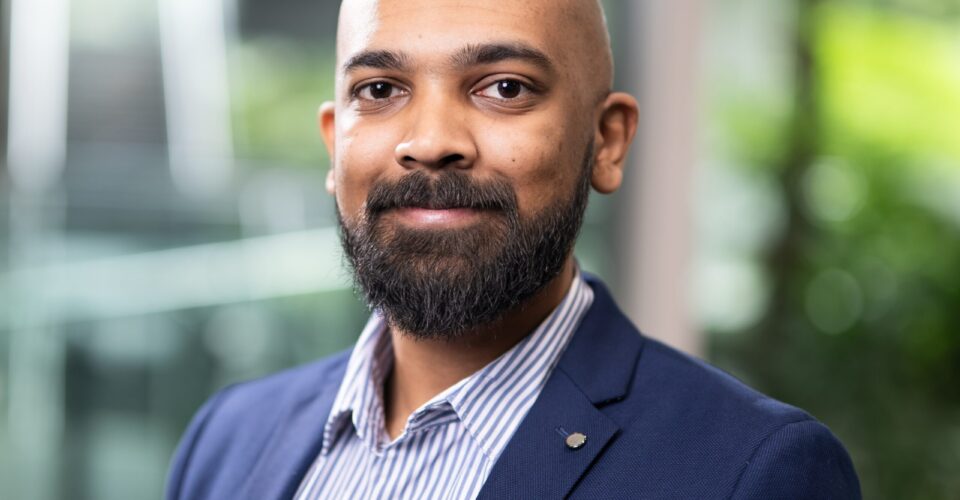
Senior Research Scientist, Dr Kelly Tian Mun Chee
- What led you to work in the field of science and research?
I enjoyed watching the TV show ‘CSI’ when I was in primary school and imagined I would be a forensic scientist one day! After I graduated with a Biomedical Science Bachelors degree, I, fortunately, landed my first role as a research assistant in heart research. There, I gained real-life experiences working in a laboratory, experimenting in several different ways, to answering research questions that save lives! - What do you love most about being involved in science and research?
Solving problems! Science research is designed to save lives. My PhD program taught me how to be an independent researcher. This involves designing, initiating, and testing out a research study. Throughout these processes, there will be hurdles when experiments fail. It is disappointing at first while troubleshooting and spending more time to complete each task. However, it is immensely satisfying when everything works in the end, and all efforts pay off with publishable results! - Do you have a role model or mentor, or someone you look up to in the world of science and research?
My PhD principal advisor – Assoc. Prof. Rayleen Bowman. She is the most amazing, highly capable woman I have ever met. I was truly blessed to have her as my mentor! - In your opinion, what has been the greatest scientific development?
Replaceable biological organs or parts with 3D bioprinting, bionics and prosthetics!
The Common Good Research Fellow, Amy Pham
- What led you to work in the field of science and research?
Curiosity. I have always been interested in and fascinated by how things work. This led me to become a microbiologist to further understand how microbes cause disease. Bacteria are cunning, constantly adapting to their environment faster than we can manage. My goal is to find new pathways to treat intractable bacteria. - What do you love most about being involved in science and research?
The community and our common goal of discovery. Everyone in science is so passionate about their research and the research of others, which leads to great collaborations. - In your opinion, what has been the greatest scientific development?
The discovery of penicillin is undoubtedly one of the most important scientific discoveries. This marked the beginning of the antibiotic revolution, which has truly revolutionised modern medicine. Where would we be without antibiotics?
Laboratory Manager, Critical Care Research Group, Margaret Passmore
- What led you to work in the field of science and research?
My late Uncle had a keen interest in science. He used to love teaching us about astronomy, forestry, birds, dinosaurs, and geology. He was interested in everything, so science seemed like a natural path. - What do you love most about being involved in science and research?
The best thing for me is hoping that the research I’ve been involved in has changed someone’s life for the better. - Do you have a role model or mentor, or someone you look up to in the world of science and research?
It would have to be Fred Hollows. A truly gifted and inspirational man. - In your opinion, what has been the greatest scientific development?
There are so many! I’d say antibiotics… and figuring out the structure of DNA was pretty cool too.