Around 10% of men and 2% to 4% of women are living with diagnosed sleep apnoea while 1 in 5 Australians each year will experience mental health issues ranging from depression to ongoing illnesses such as Schizophrenia.
Sleep apnoea is a serious health concern that occurs when a person’s breathing is interrupted, or stops repeatedly, during sleep. These interruptions mean that, for sometimes hundreds of times, during the night a person’s brain and body may not be receiving enough oxygen. There are a range of symptoms associated with sleep apnoea including snoring, daytime fatigue and depression resulting in poor performance of daytime activities. And, sleep apnoea has also been associated with increases in blood pressure, stroke, heart failure and other chronic illnesses.
Unfortunately, although many people living with schizophrenia or schizoaffective disorder demonstrate a number of risk factors for sleep apnoea and present an even higher risk due to the nature of the medications they are taking, such as sedatives, they may be going undiagnosed.
This may be due to their symptoms being confused and attributed to their existing mental health concerns or simply not being recognised by the patient, who may not have the capacity to hold concerns for their physical health. These patients also face a greater difficulty in making appointments and engaging with the wider hospital community.
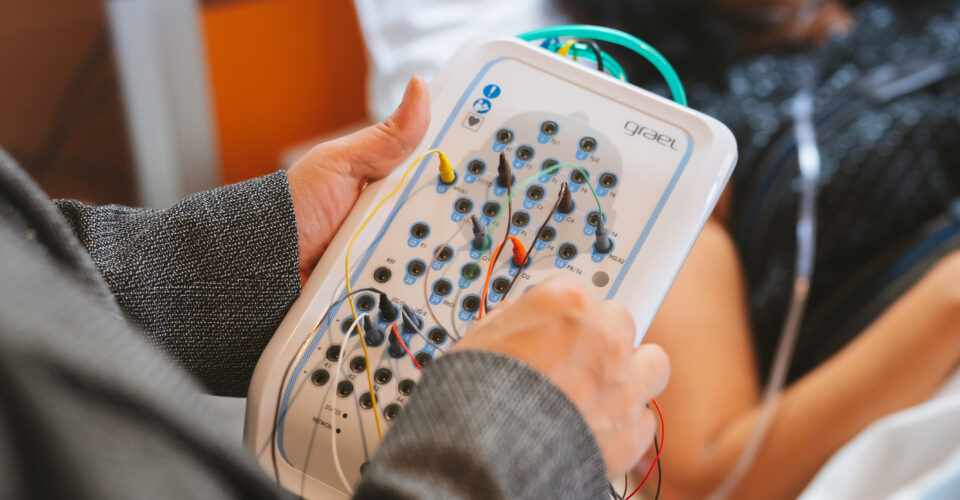
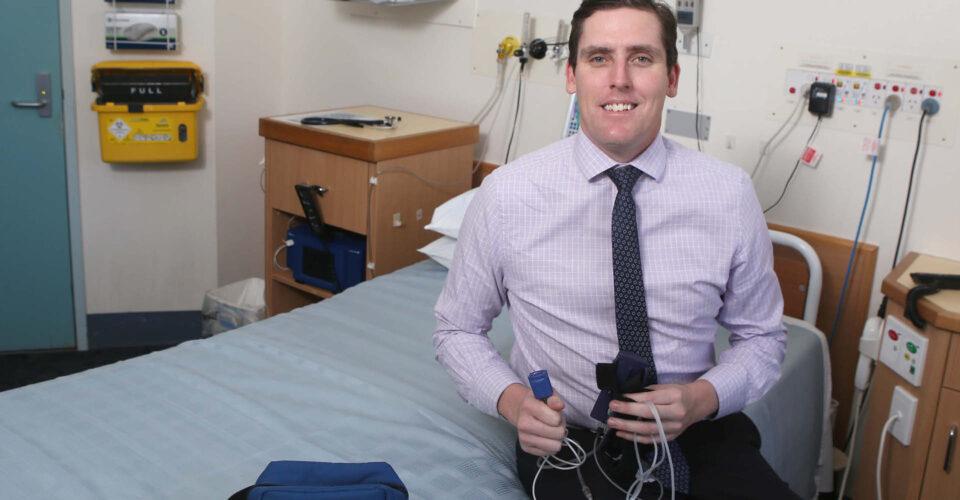
Dr James Anderson, a Sleep Fellow at The Prince Charles Hospital, wants to make sure that these most vulnerable people in our community are receiving the care they need. Dr Anderson will be conducting a study of in-patients who suffer from schizophrenia and schizoaffective disorder to screen for sleep apnoea. Using a smaller, less intrusive and more portable device than those commonly associated with sleep studies, known as ApneaLink, Dr Anderson will be able to measure the patient’s oxygen levels with a probe that is placed on the finger and a nasal cannula that sits on the nose to measuring flow.
Dr Anderson will begin with a small study to identify the practicalities of doing this type of screening within the mental health in-patient community, with hopes that if successful a broader screening initiative will be able to be introduced.
The success of this study could mean improved care for mental health patients. Patients who may be living with undiagnosed sleep apnoea, with appropriate treatments, could see a greatly improved ability to function in their day to day lives with a decrease in fatigue, sleepiness and improved mood and concentration. These benefits will decrease the additional struggles for patients who are already living with difficult mental health concerns and may increase their ability to function daily. As a result, patients could successfully return to work and become a more stable and involved member of our community, while reducing the strain on our healthcare system.