Highlighting an invisible illness; imaging for osteoarthritis
Uncategorised

Highlighting an invisible illness; imaging for osteoarthritis

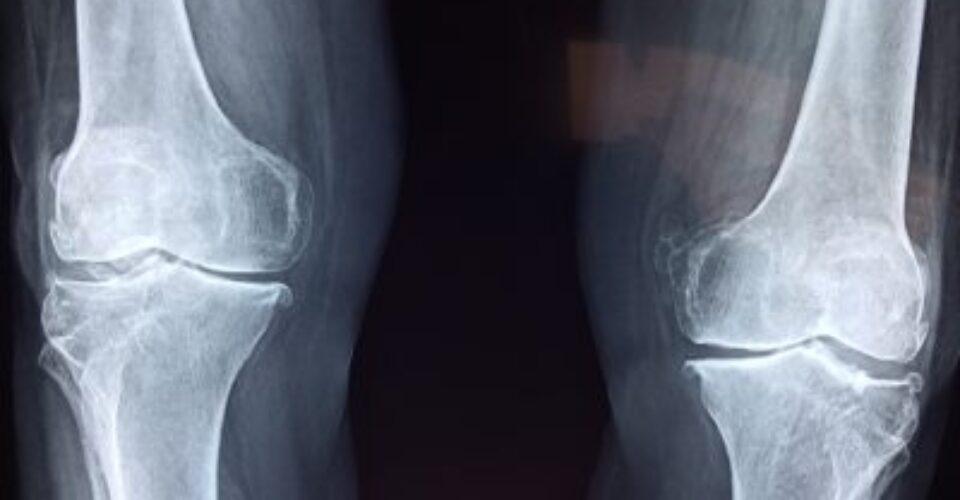
Right now, you’re on a computer or scrolling through your phone, mostly likely without any pain or difficulty. Osteoarthritis is a reality for others.

If you’re one of the 1.8 million Australians with osteoarthritis, that may not be the case.

While many people don’t notice the effects of osteoarthritis, young researcher Maruf has had to watch his mother suffer from this disease for many years. It may not be fatal, but as he explains, it’s a horrible condition to live with that can drastically reduce the quality of life for its sufferers.

Just over a year ago Maruf started his research into osteoarthritis – the degenerative condition that affects 8% of Australians and makes simple tasks such as getting in and out of bed, or typing on a keyboard, excruciating. While there are a few other studies looking at the causes of osteoarthritis (such as high cholesterol levels), Maruf is specifically interested in how blood vessels form around a damaged joint.

When the cartilage in a joint begins to break down, its lack of blood vessels stops it from being able to self-repair. Logically it would make sense to increase blood vessels to the cartilage to try and heal it, but it turns out this is what the body already does – and it actually leads to further break down in the joint!

Maruf’s is the first study that has been aimed to clearly show images of this ‘neovascularization’ process happening. He is also interested to see how nerve networks form in a damaged joint, as theoretically nerves usually follow the blood vessels. Once this aim is achieved, he then can test whether certain molecules can stop this blood vessel and nerve formation, and prevent the aggravation of cartilage break down.

It could be one of only a few studies to understand the effects of blood vessels and nerves on osteoarthritis, and Maruf can’t wait to see the results.
Published: July 29, 2019

Related news & events

Meet the 2025 PhD Recipients

Research Grants

Meet the 2025 PhD Recipients

The Prince Charles Hospital Foundation was pleased to award six PhD Scholarships in 2025. Click here to meet the recipients.

Find out more

Professor Gregory Scalia AM

Researcher Stories

Professor Gregory Scalia AM

Professor Gregory Scalia AMProfessor Gregory Scalia AM first stepped into The Prince Charles Hospital as a registrar in the early 90s. Now, as the hospital’s long-standing Director of Echocardiography, he has dedicated most of his career to ensuring that complex cardiac diagnoses are accessible to a much larger portion of the population through echocardiography

Find out more

Meet the 2025 Research Fellowship Recipients

Research Grants

Meet the 2025 Research Fellowship Recipients

In this blog, we introduce you to our 2025 Research Fellowship recipients and share insights into their work and why their investigations are so important.

Find out more

Key Indicators of Cognitive Impairment in Patients with Obstructive Sleep Apnoea

Ageing

Key Indicators of Cognitive Impairment in Patients with Obstructive Sleep Apnoea

“There’s emerging evidence that links poor sleep to the development of dementia – particularly Alzheimer’s disease,” said Dr Irene Szollosi.

Find out more

Carl Francia, PhD candidate

Researcher Stories

Carl Francia, PhD candidate

PhD candidate Carl Francia first observed the disproportionate impact of Acute Rheumatic Fever and RHD on Indigenous Australians while working as a physiotherapist in 2022.

Find out more

TPCH Researcher of the Year 2024, Dr Ieuan Evans

Researcher Stories

TPCH Researcher of the Year 2024, Dr Ieuan Evans

TPCH Researcher of the Year 2024, Dr Ieuan Evans, is working to develop a Therapeutic Drug Monitoring (TDM) program specifically for Trikafta.

Find out more

Enhancing patient recovery with Memory Lane 

Ageing

Enhancing patient recovery with Memory Lane 

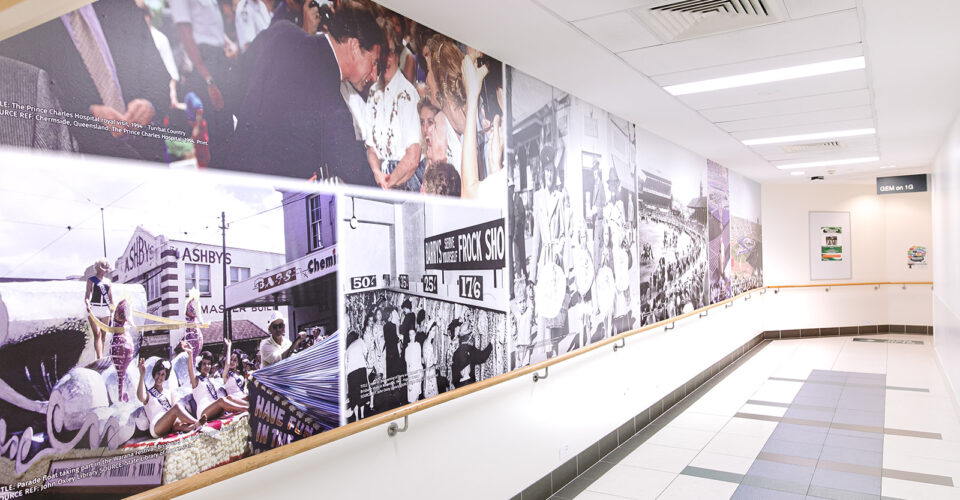
The hospital’s Occupational Therapy department enlisted the help of some fourth-year UQ students to complete a joint project aimed at promoting Memory Lane and gathering feedback on its usage.

Find out more

Jacarandas and The Prince Charles Hospital

The Common Good

Jacarandas and The Prince Charles Hospital

Over the past several decades on The Prince Charles Hospital’s campus, Jacaranda trees have offered shade and shelter from the elements, as well as a beautiful spot for people to gather outside the clinical environments.

Find out more

The Prince Charles Hospital’s 2025 Giving Day

The Common Good

The Prince Charles Hospital’s 2025 Giving Day

Over $162,000 was raised for The Prince Charles Hospital at our fifth annual Giving Day, thanks to our special community.

Find out more