
Kate Phillips-Taylor
Heart and Double Lung
Transplant Recipient

In 1985, Liz Phillips had been having a very easy pregnancy, but the week before her daughter was due, the obstetrician picked up an abnormality with her placenta. A few days later, she was induced, and as her then-unborn daughter’s heart was showing signs of distress, the obstetrician rapidly prepped for an emergency caesarean. As soon as the tiny girl, named Kate, was born, she was whisked away.
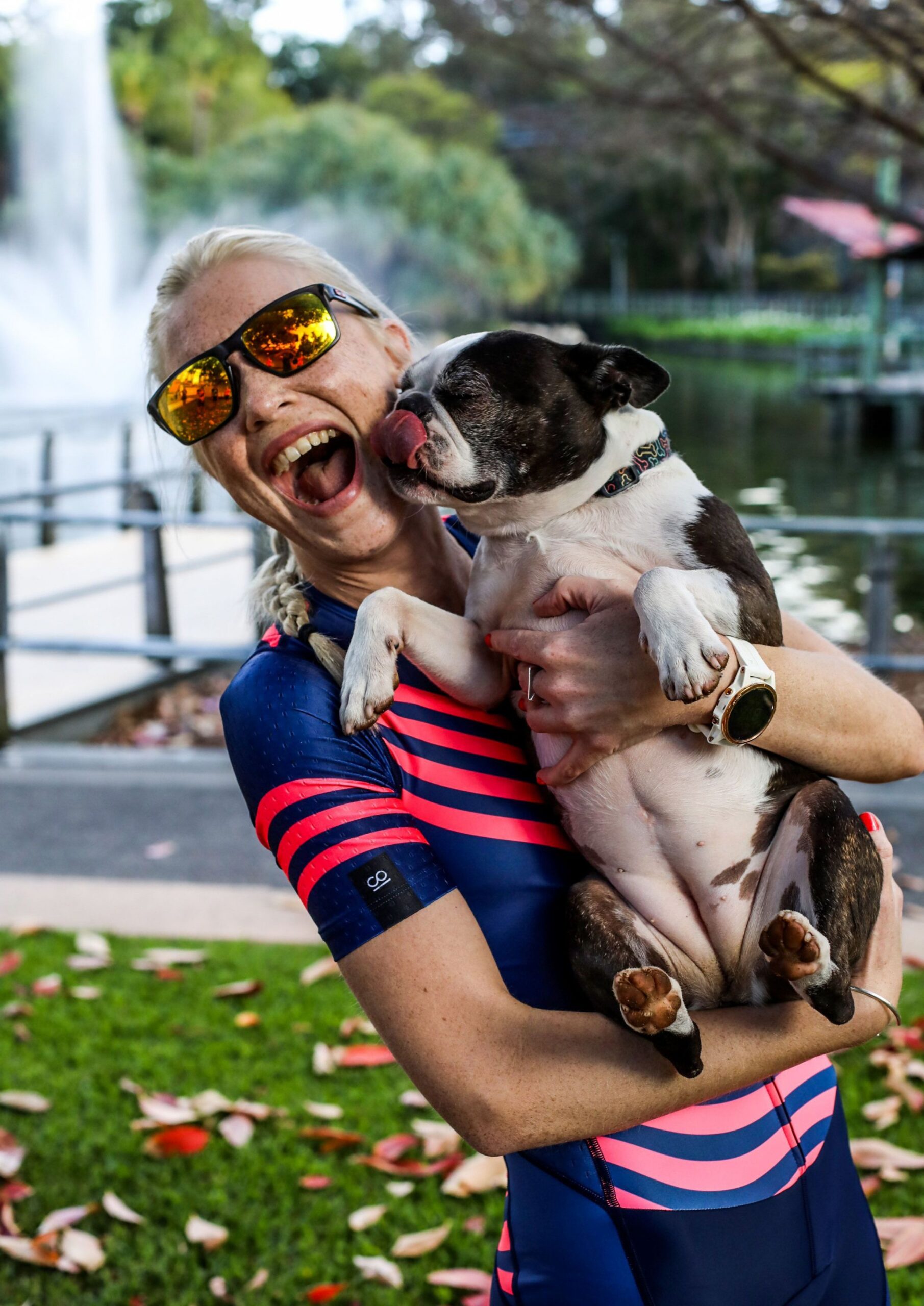 “The doctors at The Prince Charles Hospital actually met me before my mum did… I was rushed over here because they identified that there was a problem,” said Kate.
Liz recalled, “They did an echocardiogram and sent the results to Associate Professor Dorothy Radford, who was the head of the paediatric cardiology team. She was actually at home with the flu, so she reviewed the results from home, and by that afternoon, we knew exactly what was wrong.”
Kate had a hole in her heart between the top two chambers. Her mum recalls being told that her daughter’s heart defect was something that could be repaired when she was about four.
Regular medical check-ups with cardiologists became a normal part of life for Kate from the beginning, and when she was about nine months old, things took a frightening turn.
“She started to get very lethargic. She had a bit of a bottle and would just go limp on me… One day I was at my mum’s house, and all of a sudden, she went blue,” Liz recalled.
“My younger brother, who was 14 at the time, had fortunately just learned CPR two weeks before at school. He did CPR on her while we waited for the ambulance to come… I was just a mess. We were brought to The Prince Charles Hospital, thank God.”
At just ten months old, a tiny Kate underwent open-heart surgery.
“We were in the hospital for three months. So, I stayed with her. I just slept on a mattress on the floor beside her cot… And during that stay is when they picked up that she had severe pulmonary hypertension.”
Kate’s pulmonary hypertension – high blood pressure affecting the pulmonary arteries that carry blood from the heart to the lungs – was caused by her congenital heart abnormality.
Before she left the hospital on this occasion, she had a pacemaker inserted and was sent home on oxygen, which she was kept on for two years. But it was something that Kate’s surgeon said to her mum during that stay that kept her hopeful of a brighter future for her daughter.
“Kate was still in the ICU. And, one Friday night, her cardiologist and her surgeon, who’s now Professor David McGiffin, came and had a chat with my ex-husband and I,” says Liz.
“I can remember David McGiffin saying, ‘Look, they’re not doing lung transplants yet. But who knows? In five years, they might.’ Because there was nothing to treat the pulmonary hypertension. It was still there… And so, I hung on to that all of her life till transplant. And that is what has got me through.”
That was in 1986. Queensland’s first lung transplant occurred in 1996 – a whole decade later.
It would be another 17 years before Kate received the precious gift of a donor’s heart and lungs.
Kate says she had a relatively normal childhood
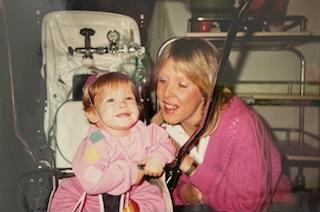 The road to Kate’s transplant was long and filled with countless nerve-racking moments – particularly through her teens and twenties.
Fortunately, advances in medical treatments and techniques meant Kate could live a relatively normal childhood. Although defiant, she was often reminded that she was born with health complications that other children didn’t have to worry about.
“I’ve always been like someone who’s loved being athletic, loved fitness and all this stuff and just never could, physically, I couldn’t run more than 200 metres at a time without passing out. Hence why I ended up in the hospital a few times. I tried because I was like, ‘this is just a myth,’ but no, it’s true.
“I think I’d passed out at a school carnival or something. And I think I was being stubborn and trying to do something in the cross country, even though I was really not allowed to.”
She was sick a few times as a teenager, and at about 16 years old, she caught a virus that weakened her heart.
And then at about 22, she became very unwell.
Kate in pulmonary hypertension crisis
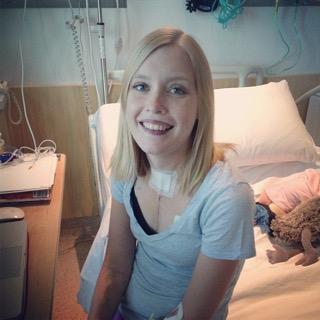 “I came up just for a random outpatient appointment, and I ran into my cardiologist. He took one look at me, and they rushed me in straight away. I was in a full pulmonary hypertension crisis. It was bittersweet at the time because it was like, oh God, finally there are answers to why I’m feeling this way… They got me in straight away, and within 24 hours, I was feeling better, but that was definitely a turning point,” Kate recalled.
Kate’s mum said there were no treatments for pulmonary hypertension then. It was at this point that they were told a heart and double lung transplant was something that would definitely be needed soon.
In the meantime, she was placed on trial drugs for pulmonary hypertension.
“At that stage, because it was a trial, she had to mix up the drugs and feed them into a cassette, into a feeding tube that was fed directly into a heart. It had to be done right on 24 hours every day. It was very nerve-racking. She lived with that for a couple of years. That was really tough. So, she’s always had this little backpack she’d carry around,” says Liz.
There was one particular outpatient appointment in her early twenties that Kate’s mother will never forget.
“She was doing a six-minute walk at the hospital. And I was waving at the other end. And she waved to me. And being as competitive as she is, she’d be determined, “I’m going to beat the last time. I’m going to show them.” And she does that test with a physio. And she finished,” says Liz.
“Then she waved to me at each end, and when she got back, she just dropped to the ground in front of me. She was in cardiac arrest. And it was a code in the hospital. And thank God we were in the hospital, because if we’d been in the car park, she probably wouldn’t have made it. And so then, yes, the only option was transplant.”
I was able to get 27 years before I needed a transplant because of medical advancements.
– Kate, Heart and Double Lung Transplant Recipient
Kate needs a heart and double-lung transplant
 Kate says that many people don’t understand that the road to a transplant is not a straight one.
“To get to transplant itself, it’s not just that you’re unwell and you need a transplant. It’s that you go through so many hurdles,” she explains.
“For me, for 27 years, they always had answers and opportunities and strategies to manage that. And then it, unfortunately, got to a point in time where I could no longer be treated through medication and exhausted all those options.”
Liz recalls their first meeting with the surgeon during the assessment.
“I’ll never forget the day we met Doug Wall. I was just a nervous wreck. Kate, being Kate, had a folder full of all her questions, every scenario you could think of. And the first thing he said was, ‘Have you got any questions?’ And she said, ‘Have you got holidays planned?’ And he answered. And he was fantastic,” Liz says.
“He told us that a heart and lung transplant was the second biggest operation they do here, and the biggest was heart, lung, liver. So, it was huge.”
In 2013, Kate’s health deteriorated rapidly, and she was admitted to the hospital.
“It was terrifying. She’d been in the hospital for a few weeks, and they were trying to find solutions. She did not have long left -probably a couple of weeks. It was dire. And she was on the national emergency list for a transplant,” Liz recalls.
“I remember it vividly. It was a really wet night in the middle of winter, and about quarter past one in the morning, I got a call from Kate. She’s just very calm and said, ‘Mum, they’ve got a donor.’”
Kate’s life after transplant
Kate is eternally grateful for the life-saving gift she received that day. She has conquered several physical challenges that she would never have dreamed of doing earlier in her life.
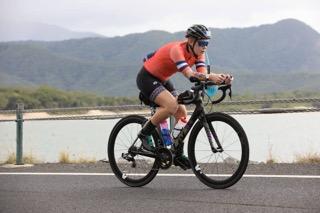
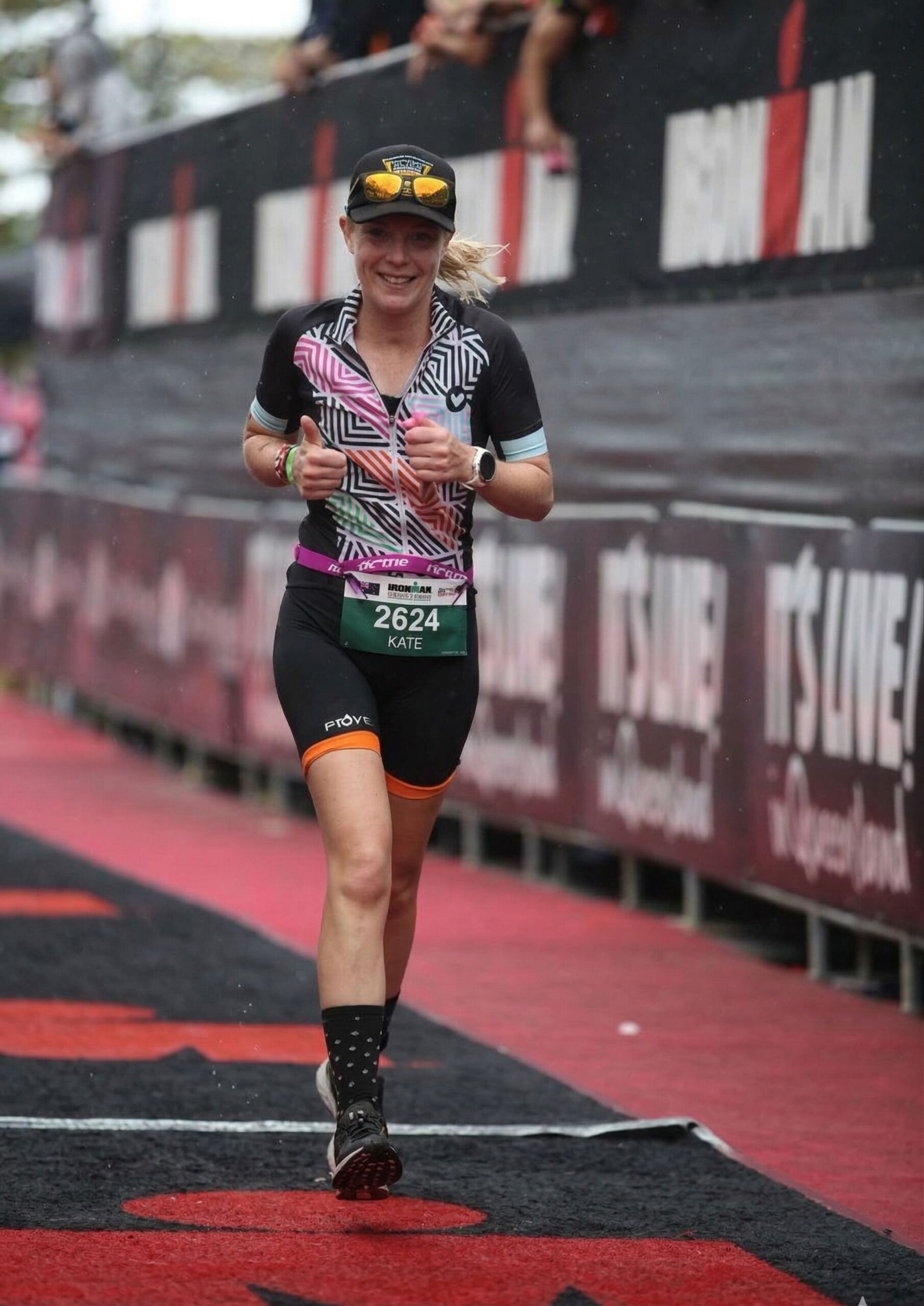
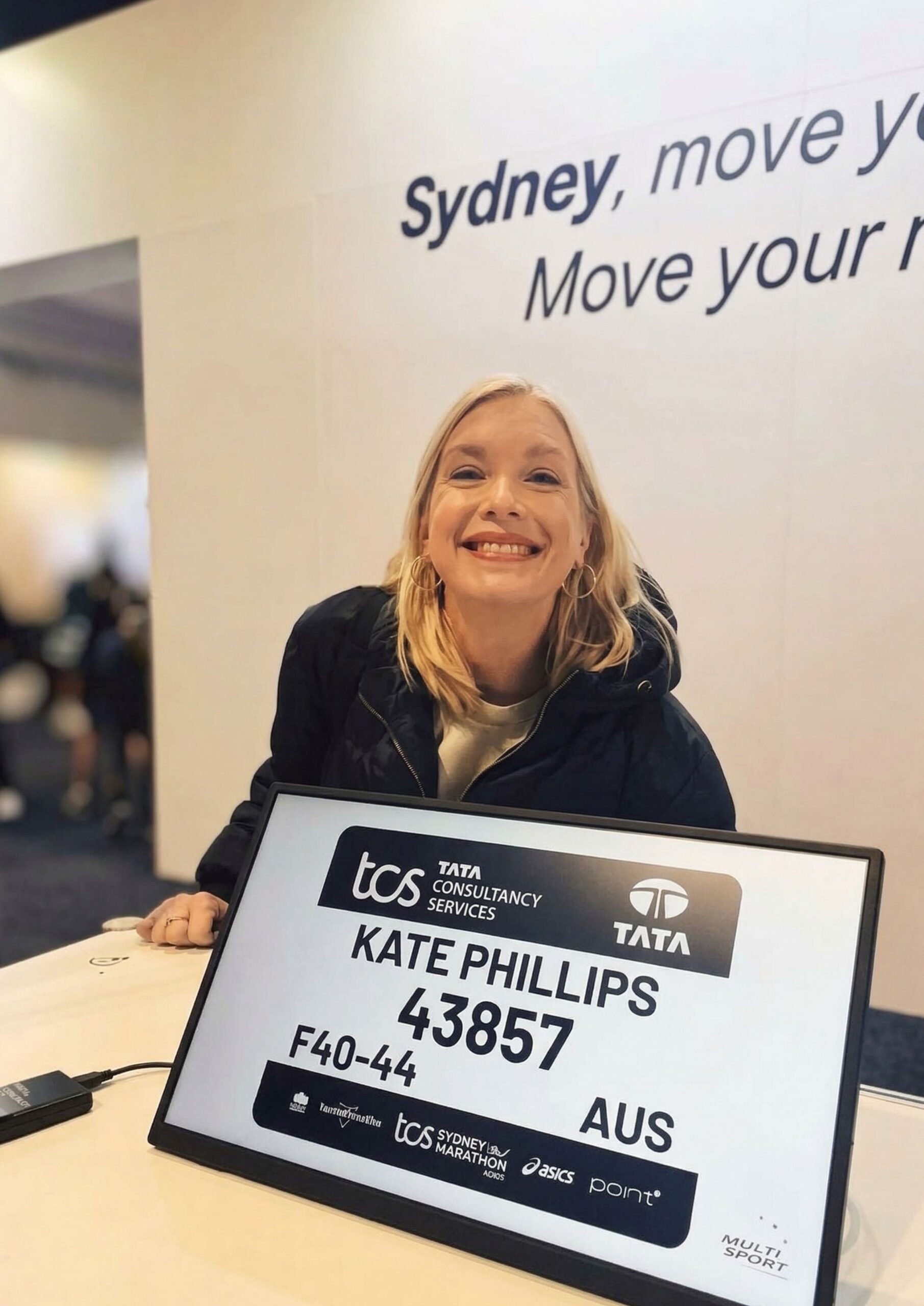
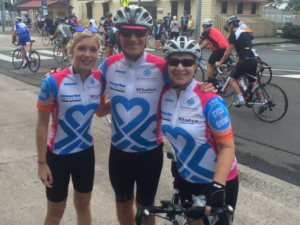 Some of the most notable include endurance events (triathlons, running and cycling). She has competed in both the Australian and World Transplant Games, and became the first female transplant recipient to compete in an Ironman event.
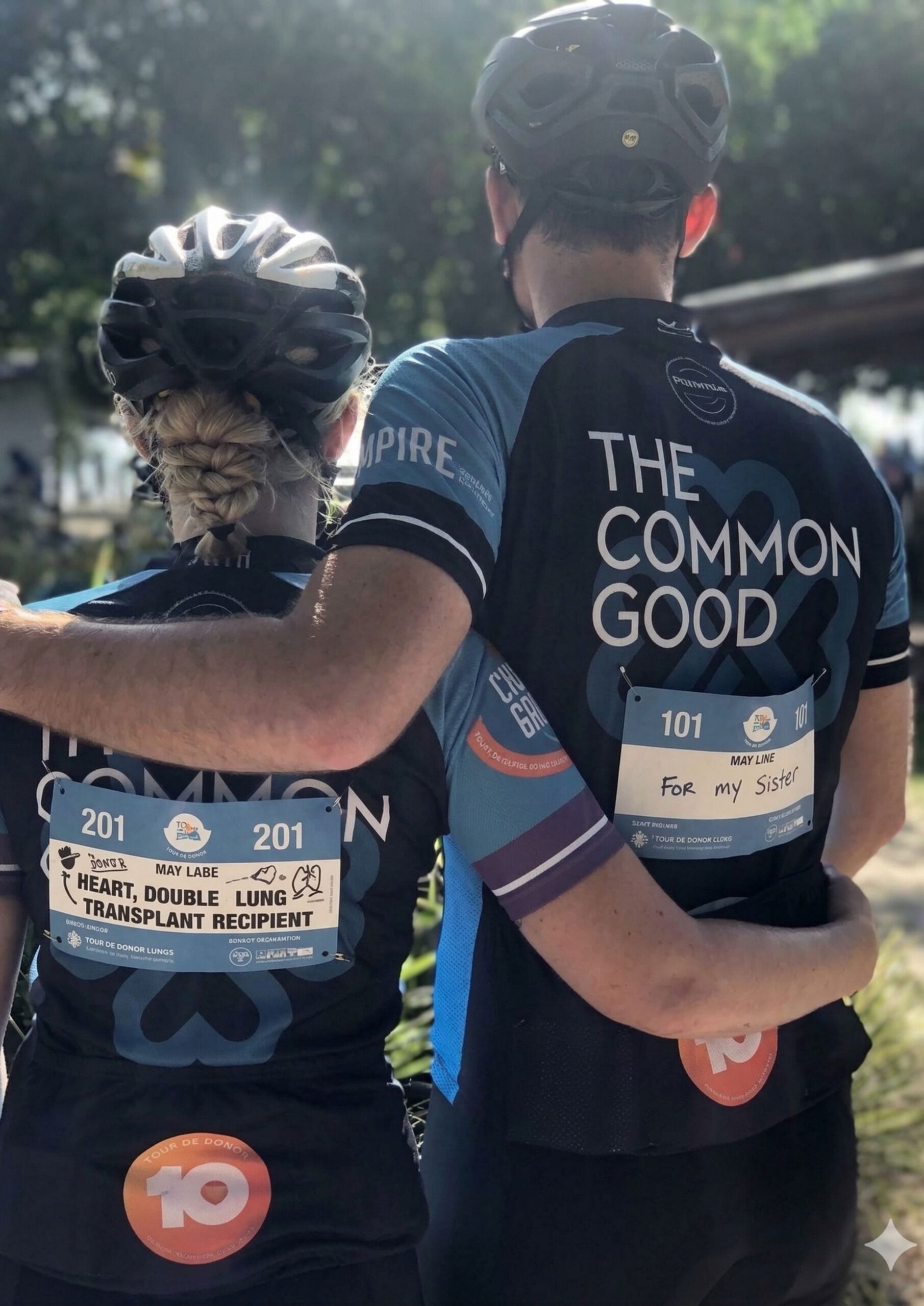
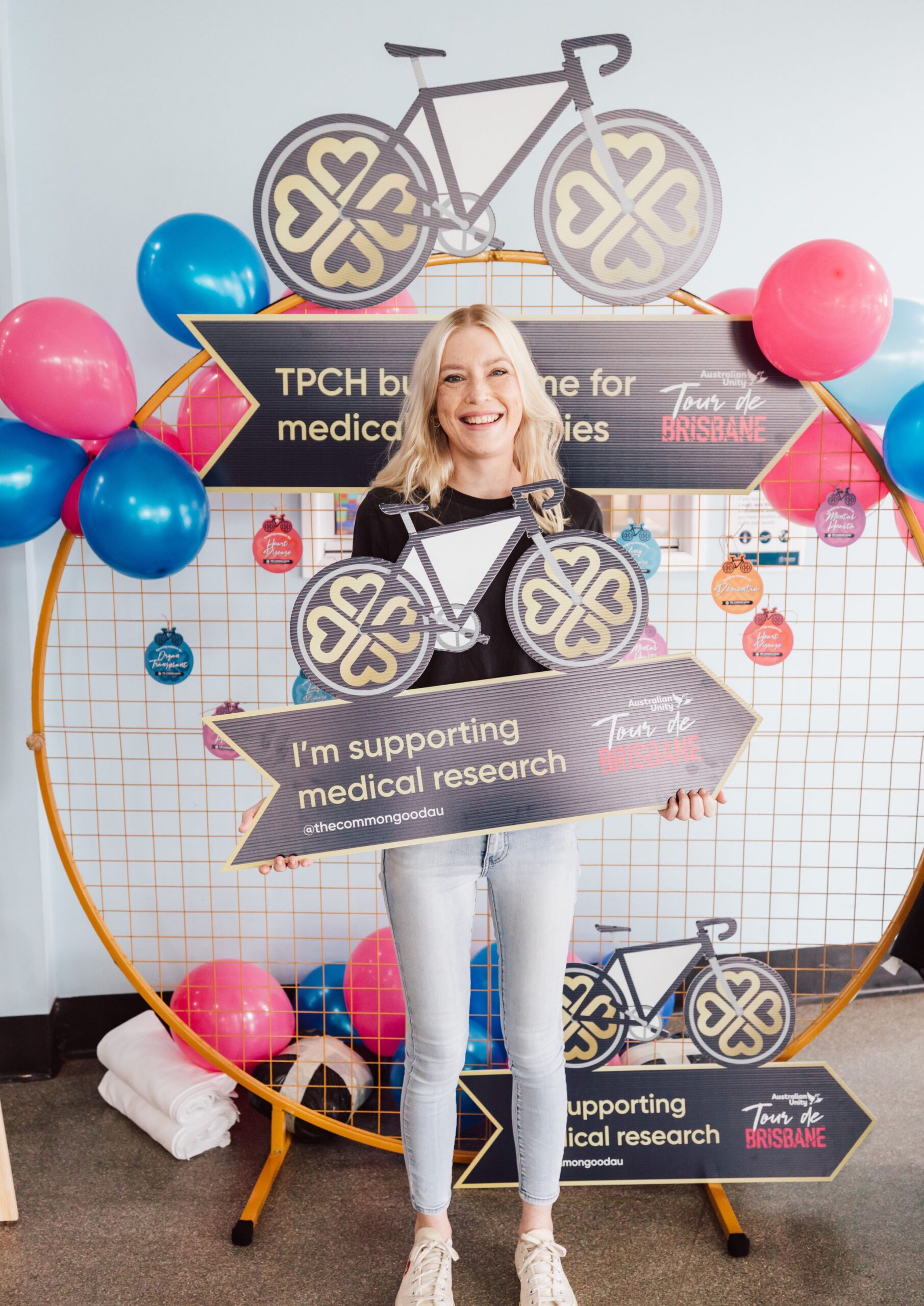
Kate has regularly cycled and raised funds for medical research and the Foundation through the Cycle of Giving and the Tour de Brisbane.
“It’s really beautiful to have the opportunity to try all those things I always wanted to as I watched on the sidelines. And to me, it’s not about, you know, necessarily listing off all the things I’ve done, cause I’ve done some amazing things, it’s just being fortunate enough to give them that opportunity.”
For Kate, this gift of a second chance is not just about making the most of every day by taking on mental and physical challenges; she’s also about enjoying the little things other people may take for granted.
“It truly is a better gift than I ever thought possible, because I think, when you’re born with a condition as well, and I was so sick for so long that I didn’t actually realise how sick I was. I actually didn’t realise you can lie down in bed without being propped up, or that you can walk and talk at the same time. For years, I was on fluid restrictions. Now I can have all the bubble tea I want. It’s amazing.”
“It’s all of life’s ups and downs that you get to experience through transplant, not just by crossing the finish line doing X, Y, Z. It’s the fact that I get to go to work… I hate changing the sheets on the bed, but it’s this weird thing where every time I do it, I get this smile, and I think, ‘Yeah, I’m changing the sheets,’ because I never could fluff out the doona before. Like I couldn’t, I had no energy. I was exhausted, and it’s little reminders like that that I’m like, never take that for granted. Never. Like life can change so quickly.”
Kate’s positive attitude and passion for life and to live every day to the full inspires so many, including the medical teams who’ve stood beside her – some for decades.
“The medical team, nursing teams and allied health teams, everyone’s so impressed with Kate and how she’s conducted her life over the last 13 years. She’s an inspiration, completing Ironman triathlons, you know, for anyone that’s an incredible accomplishment, but to do it with a heart-lung transplant is really unbelievable. Not only that, but she also continues to work in very high-functioning jobs contributing to society,” says Dr Michael Trotter, Respiratory and Thoracic physician.
Medical research brings hope to so many
 Kate and her mother have been giving back to the Foundation for years to show their gratitude for the medical research that contributed to keeping Kate alive for so long, the medical teams who’ve saved her life and to the selfless organ donor and their family.
“At the time I was born, and I was unwell, it really was touch and go. I was able to get 27 years before I needed a transplant because of medical advancements… Mum and I, our goal has always been, okay, just keep going that little bit longer until this medical advancement happens,” says Kate.
“It’s just so important. Everyone’s going to be touched by something in their lives where they need that medical research.”
Liz says that showing your support for medical research by donating to The Prince Charles Hospital Foundation is a great way to help others and invest in the future.
“I was thinking back when Kate was a baby, none of this was possible. None of it. They weren’t doing heart or lung transplants then. I just always remember that I always hung on to that, that hope,” says Liz.
“I think I’ve instilled a bit of positivity into Kate, I think, because you just never give up. Never, ever. And it just amazes me still, just everything researchers are working on.”
Powering today, reinventing tomorrow – your support contributes to life-changing research and patient care initiatives. Donate today and help people live healthier for longer for the next 40 years and beyond.